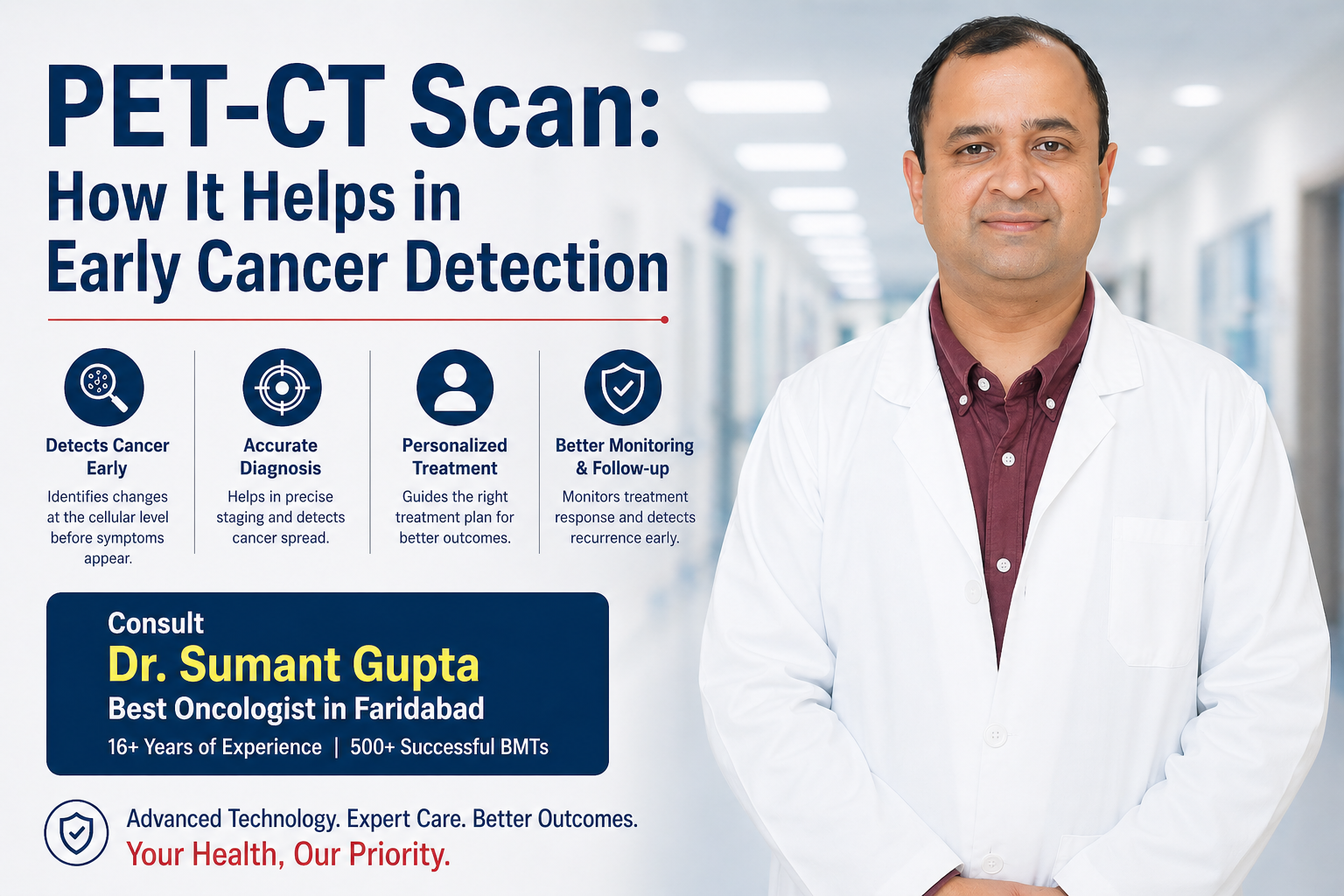
PET-CT Scan: How It Helps in Early Cancer Detection
Oct 30, 2024
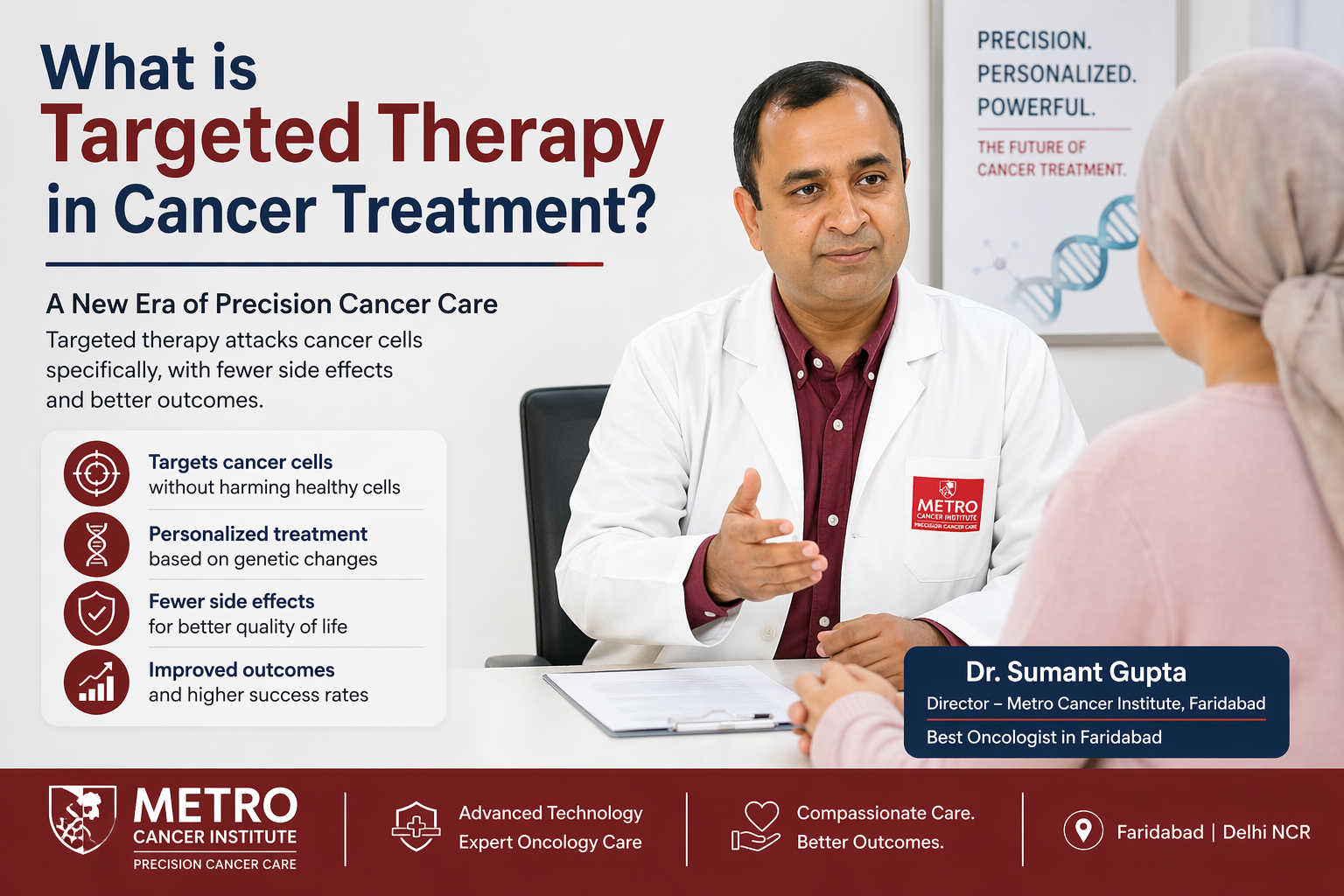
Cancer treatment has evolved significantly over the last few decades. From traditional methods like chemotherapy and radiation therapy, modern oncology has now moved towards more precise, personalized approaches. One of the most advanced and effective innovations in this field is targeted therapy.
Unlike conventional treatments that affect both healthy and cancerous cells, targeted therapy focuses specifically on cancer cells, improving treatment outcomes while reducing side effects. In growing healthcare hubs like Faridabad and Delhi NCR, access to such advanced therapies is transforming patient care.
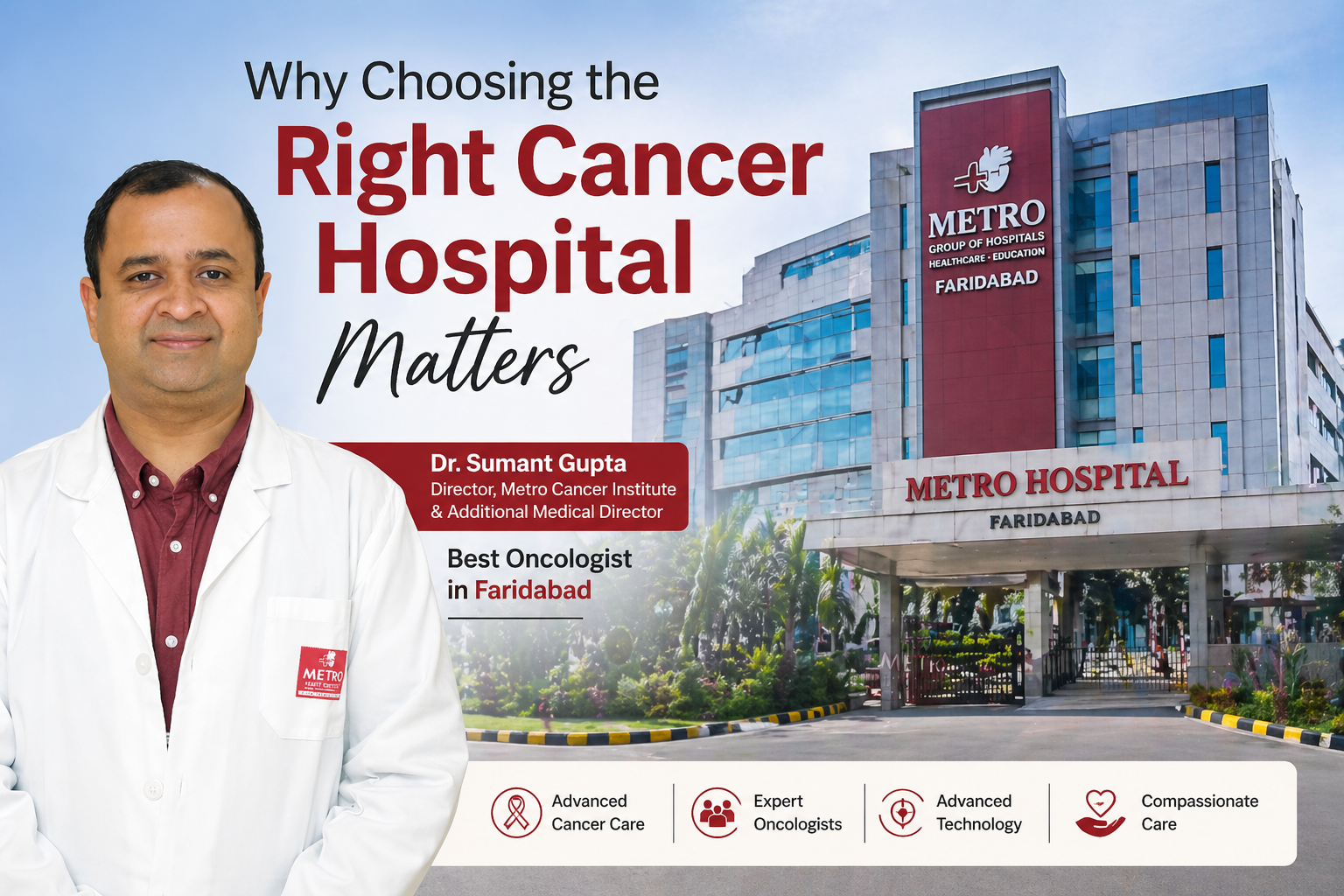
At leading institutions like Metro Cancer Institute, advanced cancer treatments including targeted therapy are guided by experienced oncologists such as Dr. Sumant Gupta, Director – Metro Cancer Institute, Faridabad, known for delivering comprehensive and evidence-based cancer care.
Targeted therapy is a type of cancer treatment that uses drugs or other substances to identify and attack specific cancer cells without harming normal cells.
Cancer cells grow due to specific genetic mutations or abnormal proteins. Targeted therapy works by blocking these abnormalities, stopping cancer growth and spread.
Targeted therapy focuses on:
By interfering with these mechanisms, targeted therapy can:
Targeted therapy is broadly divided into two main categories:
These are lab-made molecules designed to bind to specific targets on cancer cells.
Functions include:
These drugs are smaller in size and can enter cancer cells easily.
They work by:
Targeted therapy is widely used in treating multiple types of cancer, including:
In many cases, it is combined with other treatments like chemotherapy or immunotherapy to enhance effectiveness.
One of the biggest advantages of targeted therapy is its precision-based approach.
Since it targets only cancer cells, it causes less damage to healthy tissues compared to chemotherapy.
It is more effective in cancers with known genetic mutations.
Each patient receives therapy based on their cancer type and genetic profile.
Patients often experience fewer complications and faster recovery.
Understanding the difference helps patients make informed decisions.
| Feature | Targeted Therapy | Chemotherapy |
|---|---|---|
| Approach | Specific targeting | General cell destruction |
| Side Effects | Lower | Higher |
| Precision | High | Low |
| Personalization | Yes | Limited |
While chemotherapy remains important, targeted therapy represents the future of cancer treatment.
Not every cancer patient is eligible for targeted therapy. Doctors first conduct molecular or genetic testing to identify specific mutations.
An experienced oncologist evaluates all these factors before recommending treatment.
Although targeted therapy is safer than traditional treatments, some side effects may still occur.
However, these are usually manageable under expert medical supervision.
With increasing cancer cases in India, access to advanced treatment options like targeted therapy is crucial.
Faridabad has emerged as a key healthcare destination in Delhi NCR, offering:
At Metro Cancer Institute, patients benefit from a comprehensive approach that combines advanced technology with personalized care.
Choosing the right oncologist plays a critical role in cancer treatment success.
Dr. Sumant Gupta, Director – Metro Cancer Institute, Faridabad, is widely recognized for his expertise in advanced oncology treatments, including targeted therapy. With a strong focus on precision medicine, he ensures that every patient receives a treatment plan tailored to their specific condition.
His approach emphasizes:
Under his leadership, Metro Cancer Institute has become a trusted destination for comprehensive cancer treatment in Faridabad.
The field of targeted therapy is continuously evolving.
These advancements are expected to improve survival rates and make cancer treatment more effective and less invasive.
You should consult an oncologist if:
Early consultation ensures better outcomes and timely intervention.
Targeted therapy has revolutionized cancer treatment by offering a more precise, effective, and patient-friendly approach. It represents a shift from generalized treatment to personalized care, improving both survival rates and quality of life.
For patients in Faridabad and Delhi NCR, access to advanced cancer care is now within reach. With expert guidance from specialists like Dr. Sumant Gupta, Director – Metro Cancer Institute, patients can benefit from cutting-edge treatments and compassionate care.
Early detection, the right treatment strategy, and expert medical support can make a significant difference in the fight against cancer.
Oct 30, 2024
Oct 30, 2024
Oct 30, 2024