
PET-CT Scan: How It Helps in Early Cancer Detection
Oct 30, 2024
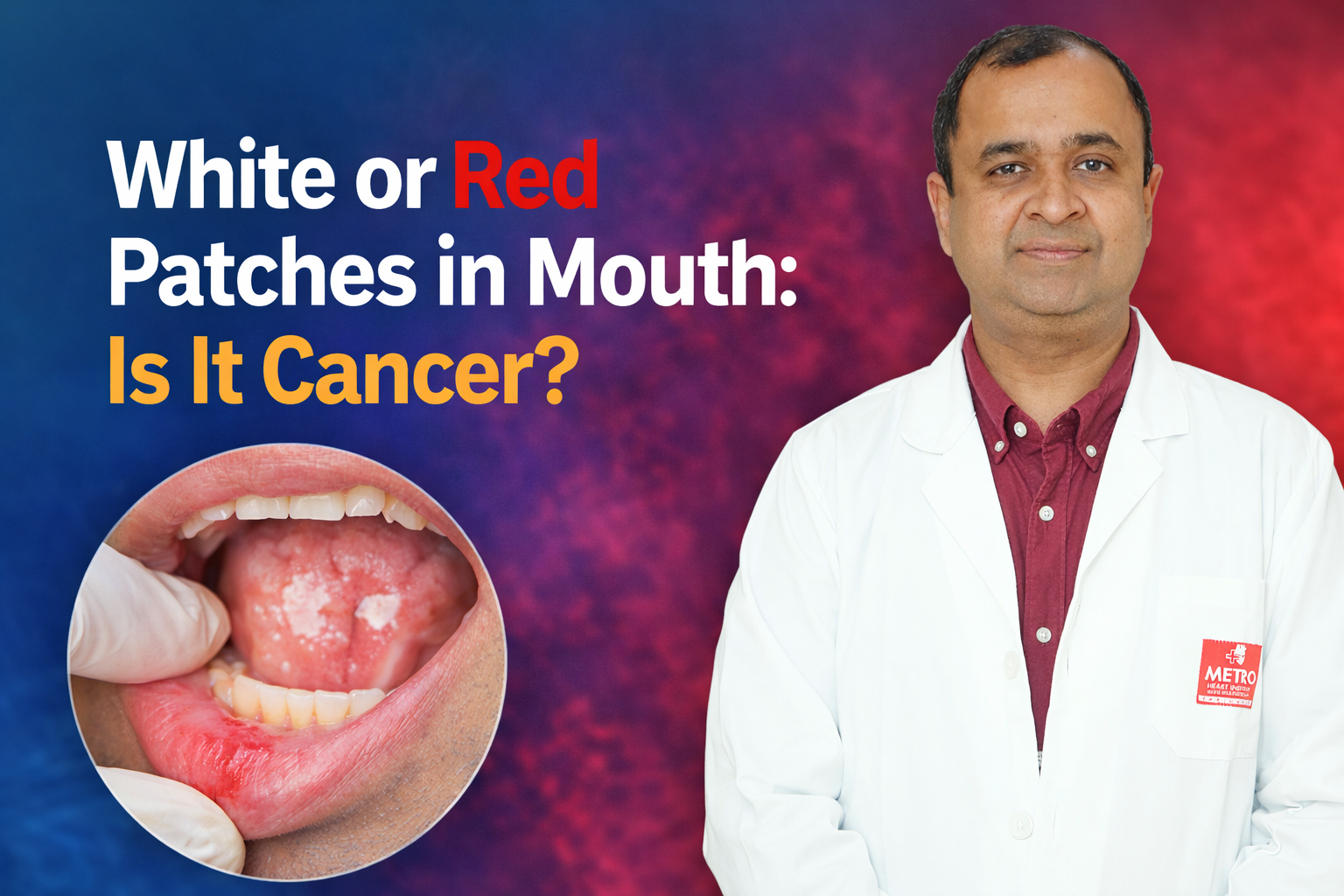
Noticing unusual white or red patches in the mouth can be alarming. Many people ignore these signs, assuming they are minor ulcers or temporary infections. However, persistent patches in the oral cavity can sometimes indicate serious underlying conditions, including oral cancer.
Early detection plays a critical role in successful treatment outcomes. Understanding the difference between harmless conditions and warning signs of cancer can help you take timely action. If you experience any unusual changes, consulting an expert like Dr. Sumant Gupta, the best oncologist in Faridabad, can make a life-saving difference.
White or red patches are abnormal changes in the lining of the mouth. These may appear on:
While some patches are harmless, others may be precancerous or cancerous.
Leukoplakia appears as thick, white patches that cannot be scraped off easily. It is often associated with:
Although not always cancerous, leukoplakia can become malignant over time.
Erythroplakia is more concerning than leukoplakia. These red patches are:
Some individuals develop both red and white areas together. These are considered high-risk and require immediate medical evaluation.
The answer is no—but they should never be ignored.
Many cases are due to:
However, when patches persist for more than 2 weeks, they may indicate precancerous changes or oral cancer.
If white or red patches are accompanied by the following symptoms, it is important to seek medical attention:
Early diagnosis significantly improves treatment success.
Understanding risk factors can help in prevention:
Smoking and chewing tobacco are the leading causes of oral cancer.
Heavy alcohol use increases risk, especially when combined with tobacco.
Human Papillomavirus (HPV) is linked to certain oral cancers.
Neglecting dental care can contribute to chronic irritation.
Low intake of vitamins (especially B12 and iron) may increase susceptibility.
Oral cancer, when detected early, has a high survival rate. Delayed diagnosis can lead to:
Regular screening and timely consultation are key.
A specialist may recommend:
Accurate diagnosis helps determine whether the condition is benign, precancerous, or cancerous.
Treatment depends on the severity and stage:
A multidisciplinary approach ensures the best outcomes.
When dealing with a serious condition like oral cancer, choosing the right specialist is crucial.
Dr. Sumant Gupta is a highly experienced oncologist known for advanced cancer care and patient-centric treatment.
From diagnosis to treatment and follow-up, patients receive complete support under one roof.
Modern diagnostic and treatment techniques ensure precision and better outcomes.
Every treatment plan is personalized based on the patient’s condition and needs.
Recognized as the best oncologist and mouth cancer specialist in Faridabad, Dr. Sumant Gupta has helped numerous patients achieve successful recovery.
Prevention is always better than cure. Follow these simple steps:
Consult a specialist immediately if:
Ignoring early signs can delay life-saving treatment.
👉 Truth: Some may be early signs of cancer.
👉 Truth: Early cancer is often painless.
👉 Truth: Non-smokers can also be affected.
White or red patches in the mouth should never be taken lightly. While not all cases are cancerous, persistent changes require professional evaluation. Early diagnosis can save lives and prevent complications.
If you or your loved ones notice any unusual oral changes, don’t delay. Consult Dr. Sumant Gupta, the best oncologist and mouth cancer specialist in Faridabad, for expert guidance and timely treatment.
👉 Don’t ignore early signs.
📞 Book your consultation today with Dr. Sumant Gupta and take a proactive step towards oral health and cancer prevention.
Oct 30, 2024

Oct 30, 2024
Oct 30, 2024