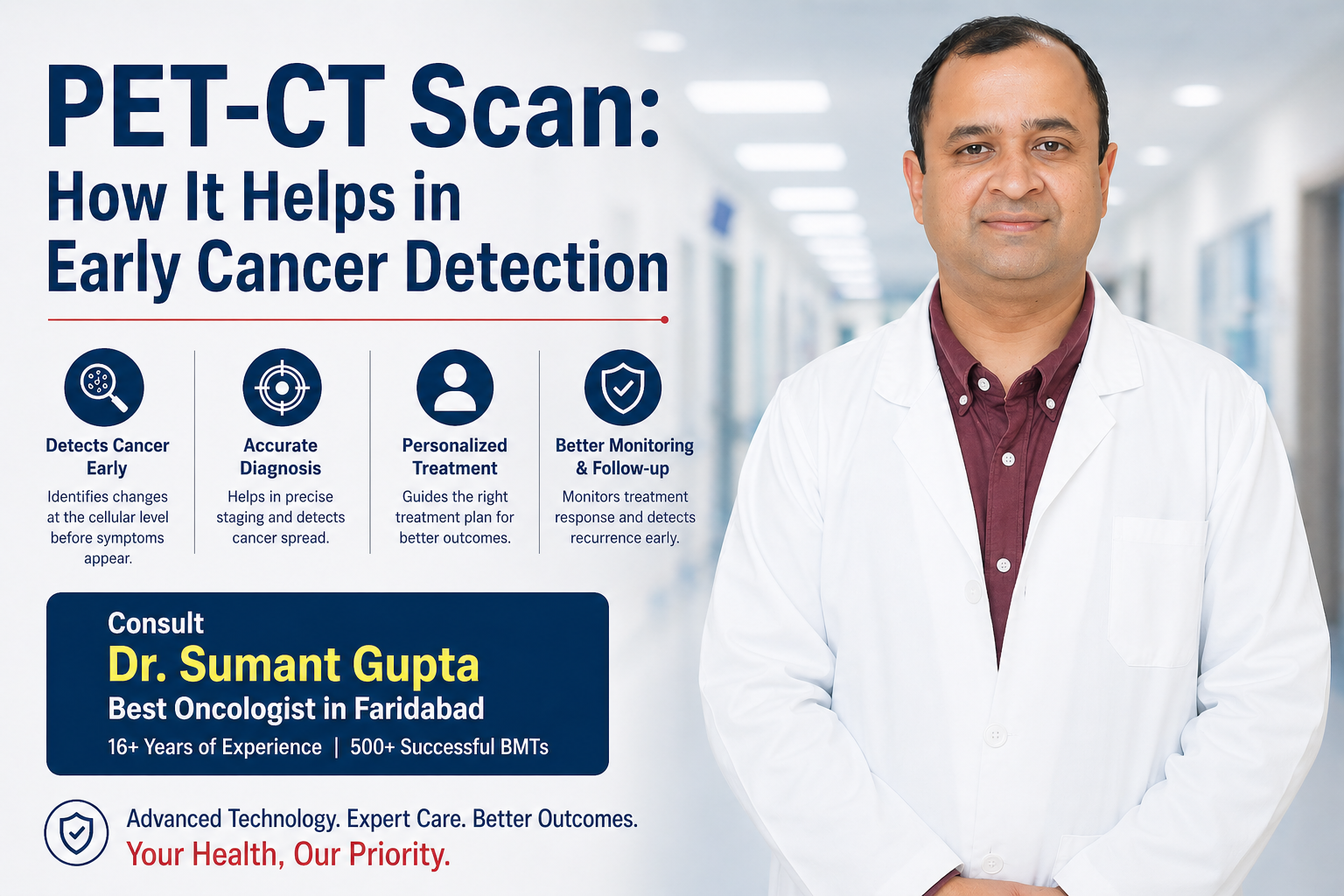
PET-CT Scan: How It Helps in Early Cancer Detection
Oct 30, 2024
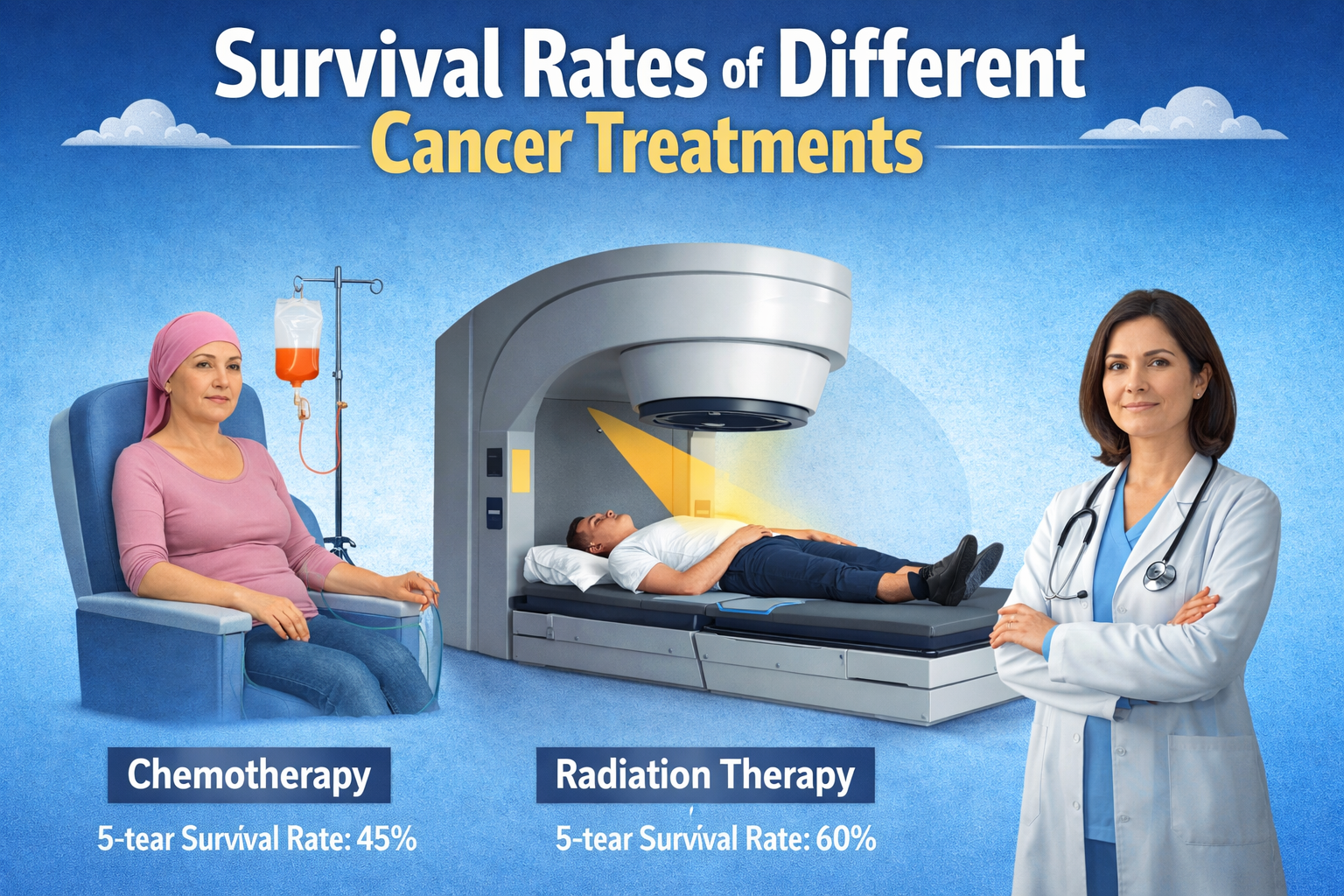
Cancer is one of the most challenging health conditions worldwide, but advancements in medical science have significantly improved survival rates over the years. Today, with early diagnosis, advanced technologies, and expert oncologists, many types of cancer are highly treatable—and even curable.
Understanding the survival rates of different cancer treatments helps patients and families make informed decisions about their care journey. In this blog, we explore how various treatment options like surgery, chemotherapy, radiation therapy, immunotherapy, and targeted therapy impact survival outcomes.
A cancer survival rate usually refers to the 5-year survival rate, which indicates the percentage of patients who are alive five years after diagnosis.
It’s important to note that survival depends on multiple factors, including cancer type, stage, patient health, and the treatment approach.
Surgery remains one of the most effective cancer treatments, especially for early-stage cancers.
Surgery can completely remove cancer, offering the highest chance of cure when detected early.
Chemotherapy uses powerful drugs to destroy cancer cells throughout the body. It is often used alongside surgery or radiation.
While effective, chemotherapy may cause side effects, but modern protocols have made it safer and more targeted.
Radiation therapy uses high-energy beams to destroy cancer cells in a specific area.
Modern systems like TrueBeam and HyperArc offer highly precise radiation with minimal damage to surrounding tissues.
Most cancers today are treated using a multimodal approach, combining different therapies.
This integrated approach is now considered the gold standard for many cancers.
Immunotherapy boosts the body’s immune system to fight cancer.
Targeted therapy focuses on specific genetic mutations in cancer cells.
Survival rates also vary depending on the cancer type:
👉 This highlights the importance of early detection and timely treatment.
Several factors determine treatment success:
Early-stage diagnosis can increase survival rates to over 90%.
Advanced procedures like robotic surgery and targeted therapy improve outcomes.
Age, immunity, and lifestyle play a crucial role.
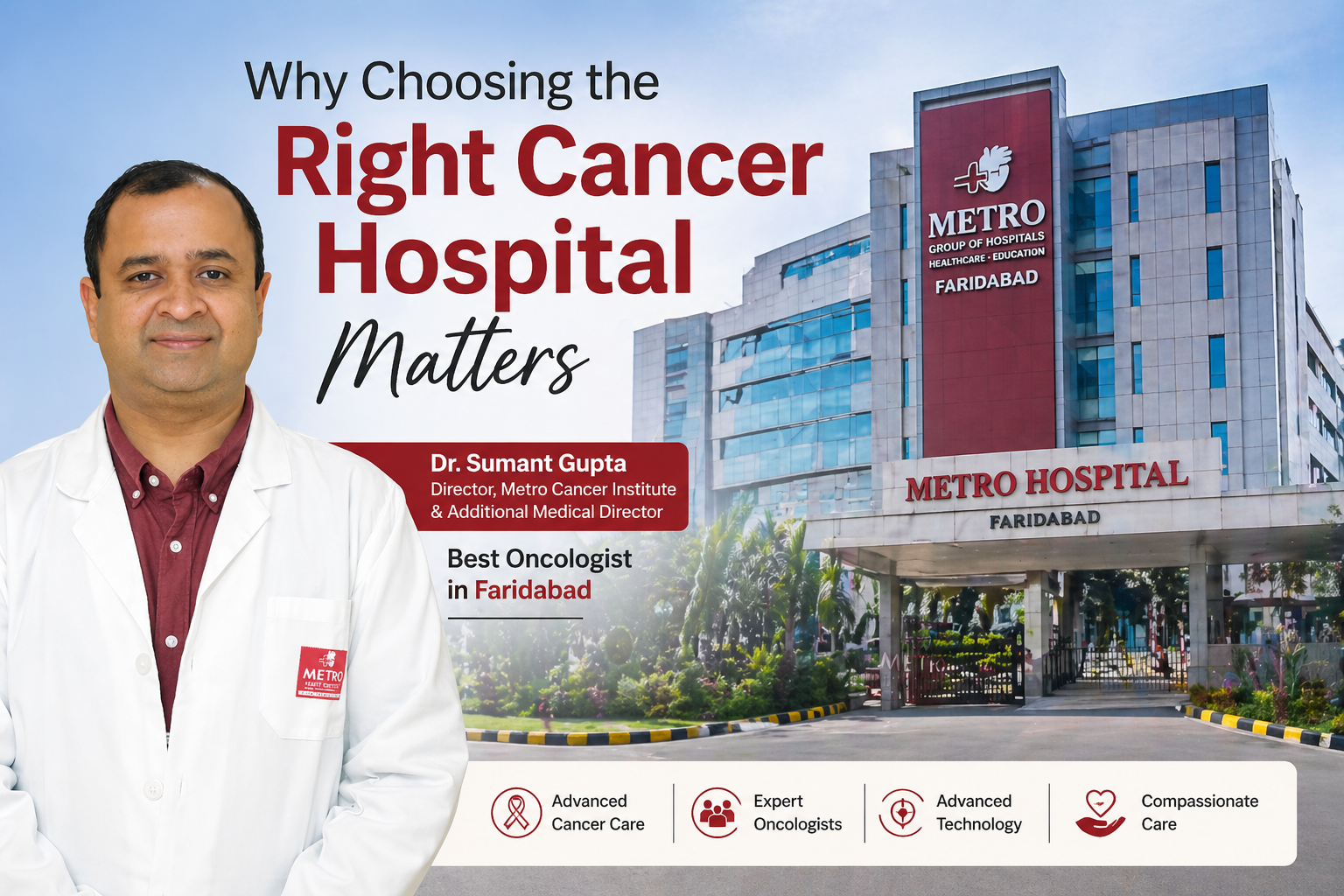
Choosing an experienced oncologist significantly impacts survival and recovery.
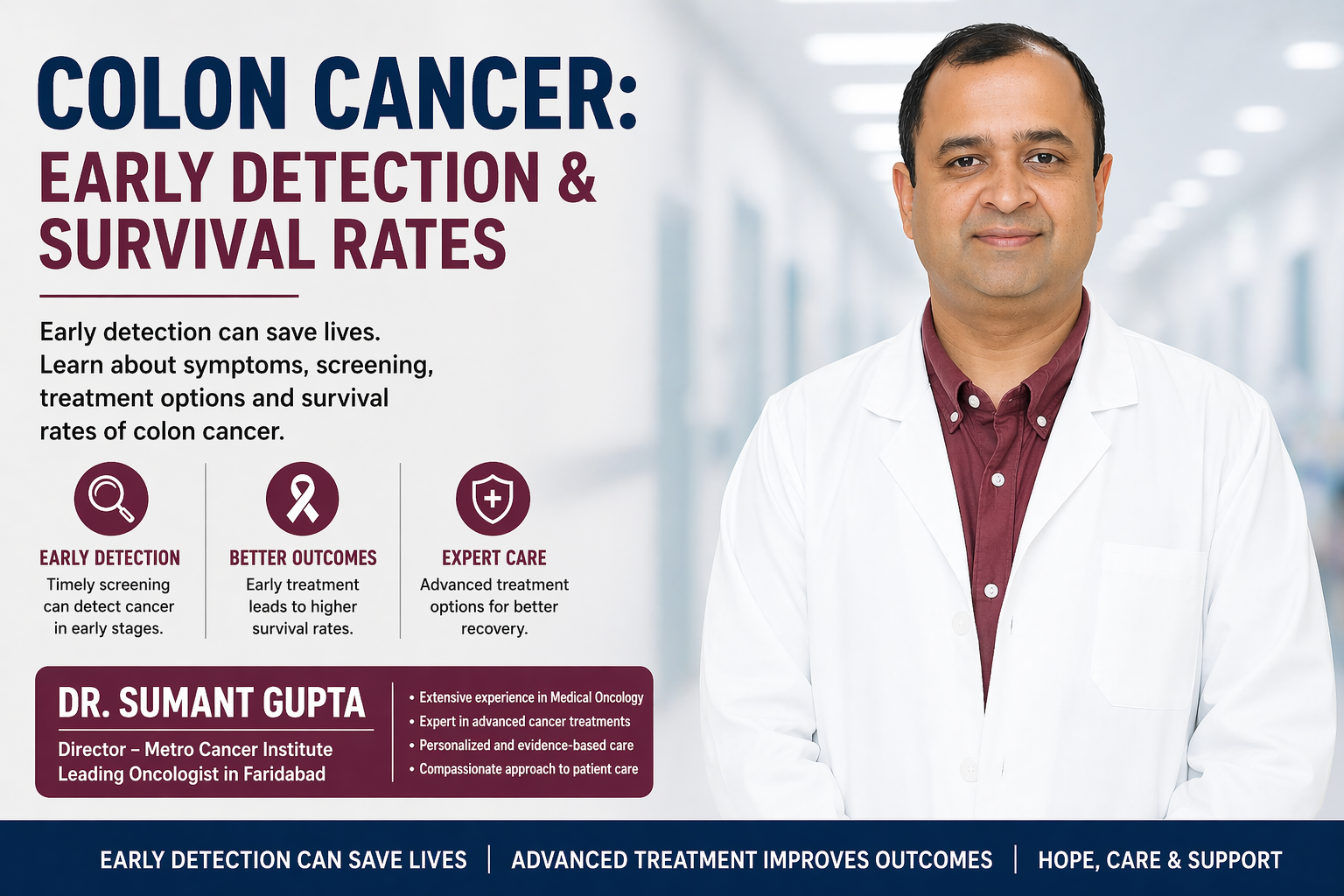
When it comes to expert cancer care, Dr. Sumant Gupta – Director, Surgical Oncology is widely regarded as one of the best oncologists in Faridabad.
His approach combines precision surgery, modern technology, and holistic care, ensuring better survival outcomes and improved quality of life for patients.
Cancer survival rates are improving due to:
Today, many cancers that were once considered fatal are now treatable or manageable conditions.
Understanding the survival rates of different cancer treatments helps patients make informed and confident decisions. While survival varies depending on the type and stage of cancer, modern treatments like surgery, chemotherapy, radiation therapy, and immunotherapy have significantly improved outcomes.
The key to better survival lies in:
✔ Early diagnosis
✔ Right treatment approach
✔ Expert oncologist
If you or your loved one is facing cancer, choosing the right specialist—like Dr. Sumant Gupta, one of the best oncologists in Faridabad—can make a life-changing difference.
Oct 30, 2024
Oct 30, 2024
Oct 30, 2024