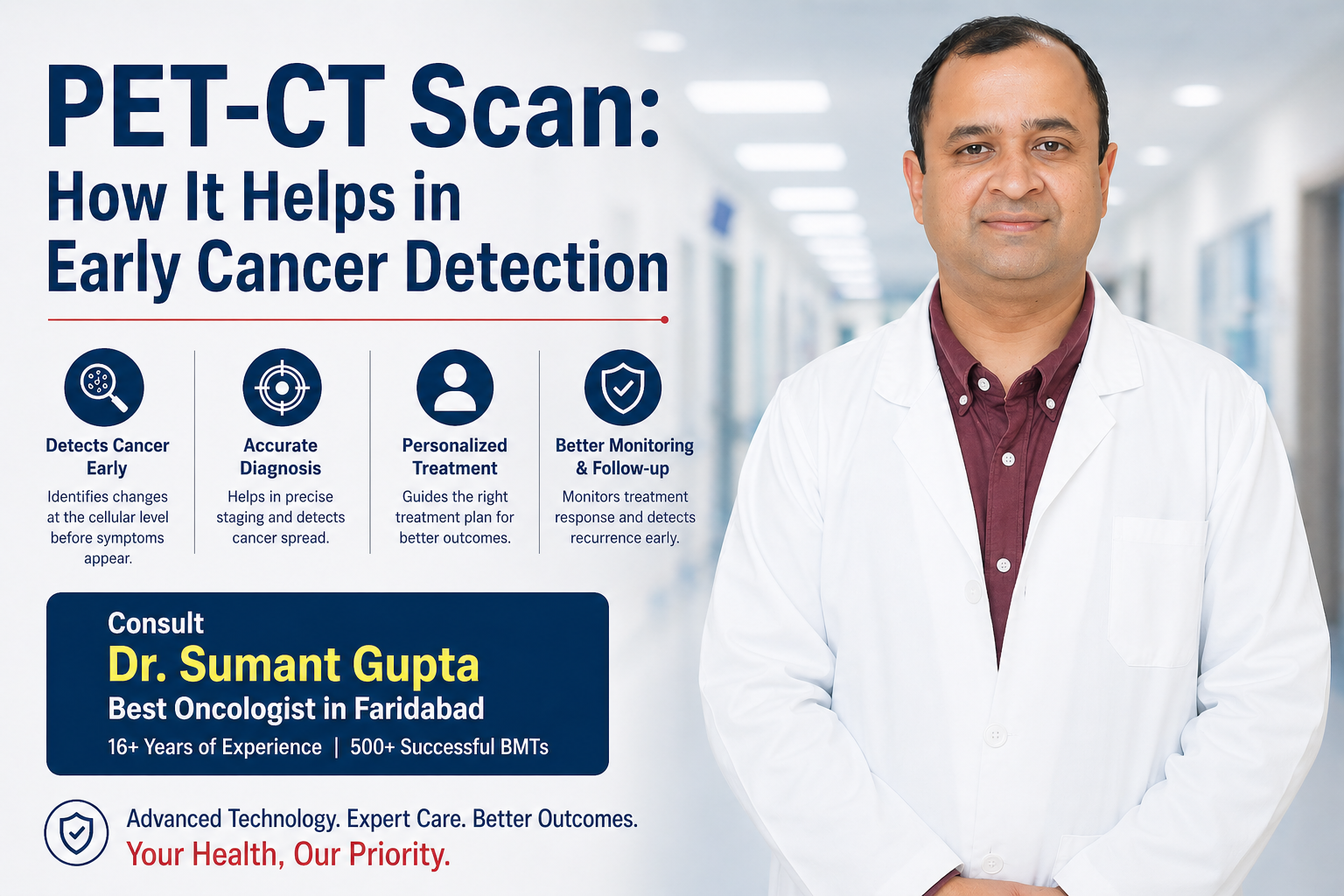
PET-CT Scan: How It Helps in Early Cancer Detection
Oct 30, 2024

Cervical cancer is one of the most preventable yet widely misunderstood cancers affecting women today. In India, thousands of women are diagnosed every year—many at later stages when treatment becomes more complex. The primary cause of cervical cancer is the Human Papillomavirus (HPV), a common infection that most women will encounter at some point in their lives. Understanding HPV, early symptoms, risk factors, and screening can save lives.
When it comes to expert cancer care in Delhi NCR, Dr. Sumant Gupta, Senior Oncologist and Hematologist at Metro Hospital, Faridabad, is widely recognised as the best cancer doctor in Faridabad and a leading oncologist known for his compassionate approach and advanced cancer management.
Cervical cancer begins in the lower part of the uterus known as the cervix. It develops when abnormal cells in the cervix start growing uncontrollably. If not detected early, these cells may spread to nearby tissues and organs.
Most cases of cervical cancer are caused by prolonged infection with high-risk types of HPV, especially HPV-16 and HPV-18.
HPV is a sexually transmitted virus that infects the skin and mucous membranes. In many cases, HPV infections disappear naturally within two years without causing harm.
However, certain high-risk strains can persist and slowly cause precancerous changes in cervical cells.
This gradual transformation may take 10–15 years, which is why regular screening is critical.
Early-stage cervical cancer often has no noticeable symptoms, making screening even more important.
As the disease progresses, symptoms may include:
Abnormal vaginal bleeding (after intercourse, between periods, or after menopause)
Unusual vaginal discharge
Pelvic pain or discomfort
Pain during sexual intercourse
Increased urinary frequency or discomfort
Women should never ignore these signs and seek medical evaluation promptly.
Certain lifestyle and medical factors increase the risk:
Long-term HPV infection
Early age at first sexual activity
Multiple sexual partners
Weakened immune system
Smoking
Long-term use of oral contraceptives
Lack of regular Pap smear tests
Poor genital hygiene
Understanding these factors can help women make informed lifestyle and health decisions.
Early diagnosis is the key to successful treatment. Common diagnostic tests include:
A simple test that detects precancerous or abnormal cervical cells.
Checks for high-risk HPV infection that may lead to cancer.
A detailed visual examination of the cervix.
Removing a small sample of tissue to confirm cancer.
Women aged 21–65 should undergo regular screening as recommended by their doctor.
Cervical cancer is one of the most preventable cancers. Here’s how:
The HPV vaccine protects against high-risk strains and is recommended for girls aged 9–26.
It is also beneficial for women up to 45 years of age after medical consultation.
Pap and HPV tests detect early changes long before cancer develops.
Use of protection and limiting the number of partners lowers HPV transmission.
Smoking weakens local immunity and increases cervical cancer risk.
Good hygiene is essential to reduce infections.
Treatment depends on the stage of cancer, age, and overall health. Common treatments include:
To remove cancerous tissue or the cervix in early stages.
Uses high-energy rays to destroy cancer cells.
Drugs used to kill or control cancer spread.
Advanced treatments that focus on specific cancer-related changes.
For advanced or complex cervical cancer cases, expert guidance from a seasoned oncologist is crucial.
Dr. Sumant Gupta is recognised as one of the leading oncologists in Delhi NCR and the best cancer doctor in Faridabad, with vast experience in treating gynaecological cancers including cervical cancer.
Expertise in advanced chemotherapy and targeted therapy
Comprehensive cancer care under one roof
Individualised treatment plans
Modern diagnostic and supportive care
Compassionate, patient-centric approach
Women across Faridabad and NCR rely on his guidance for accurate diagnosis, safe treatment, and long-term cancer management.
📍 Book an Appointment Today
📞 Call: +91 981 862 8242
🌐 Visit: drsumantgupta.com
Cervical cancer is preventable, treatable, and even curable when detected early. With proper awareness about HPV, regular screening, and timely vaccination, women can protect themselves effectively.
For expert care, timely diagnosis, and world-class treatment, consulting an experienced specialist like Dr. Sumant Gupta, the best cancer doctor in Faridabad, ensures the highest standard of cancer care and support.
Oct 30, 2024

Oct 30, 2024
Oct 30, 2024