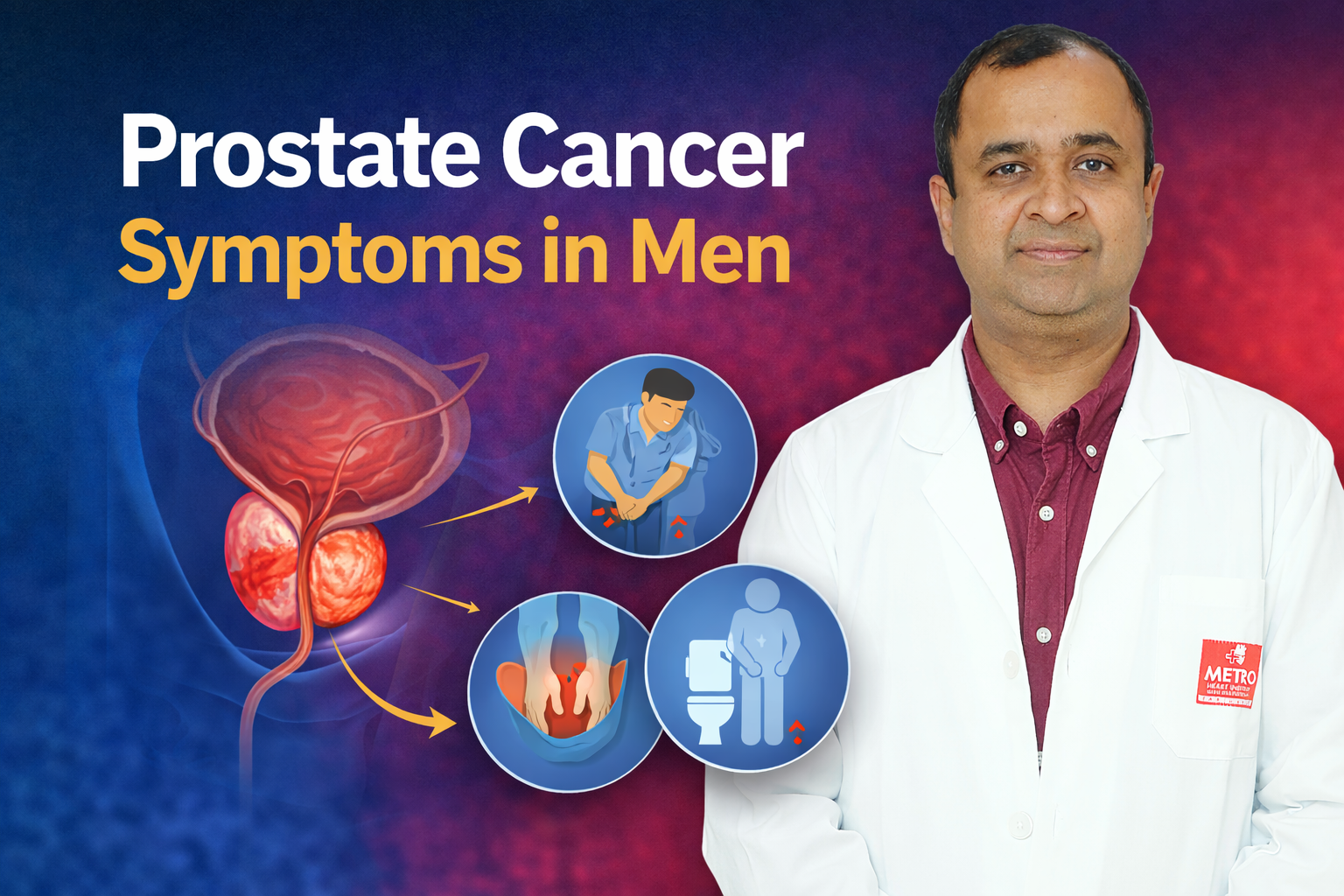
Prostate Cancer Symptoms in Men
Oct 30, 2024
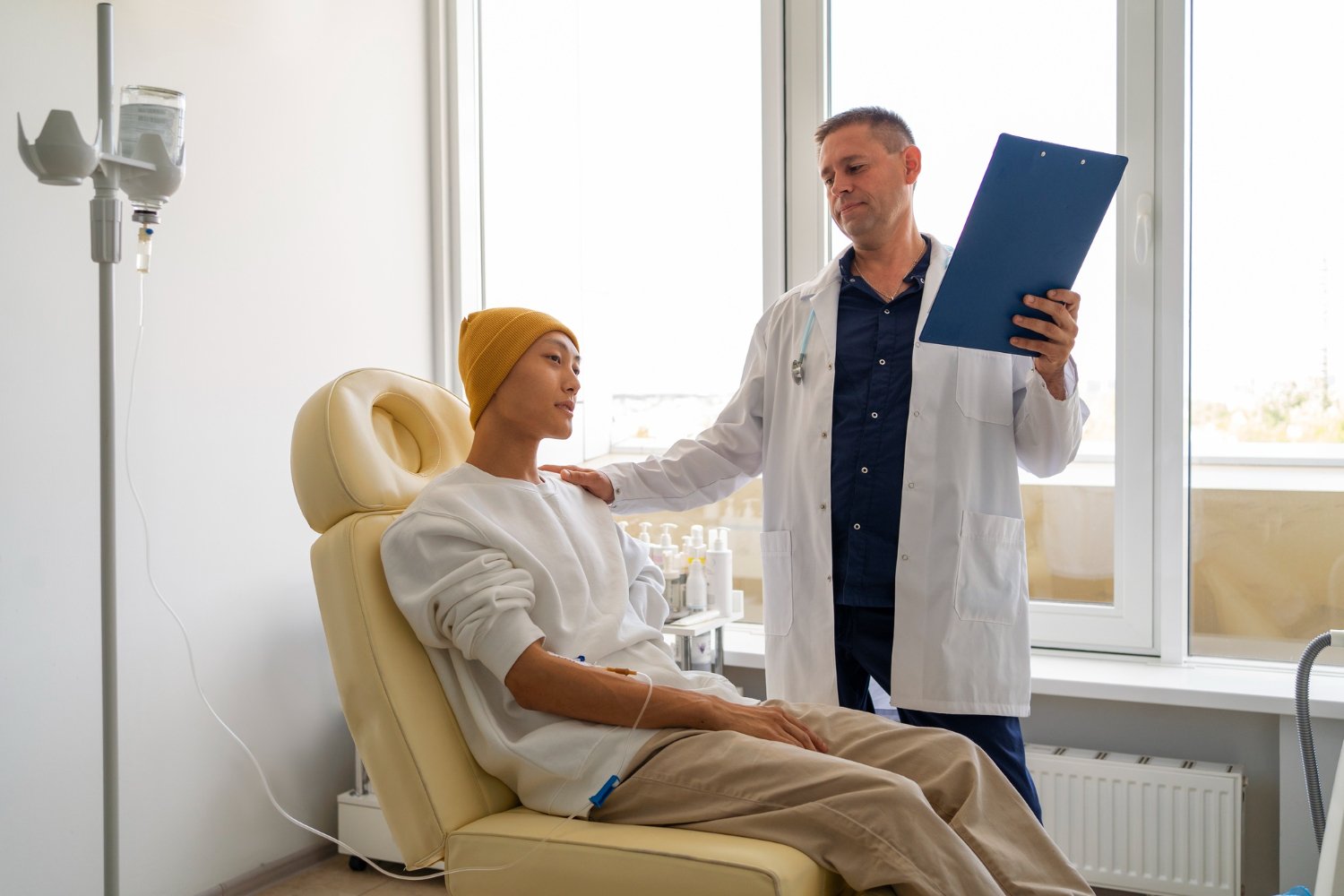
Cancer treatment has evolved significantly over the last few decades. While chemotherapy has long been one of the most widely used cancer treatments, medical science has introduced more precise and personalised options—one of the most important being targeted therapy. Both treatments aim to destroy cancer cells, but they work in very different ways.
For patients seeking expert guidance and advanced cancer treatment in Delhi NCR, Dr. Sumant Gupta, Senior Oncologist and Hematologist at Metro Hospital, is widely regarded as the best oncologist in Faridabad, offering world-class expertise in chemotherapy, targeted therapy, immunotherapy, and comprehensive cancer care.
This blog explains the key differences between targeted therapy and chemotherapy to help patients and families make informed decisions.
Chemotherapy (often called “chemo”) uses powerful drugs to kill rapidly dividing cells in the body. Since cancer cells grow and divide faster than most normal cells, chemotherapy is effective in shrinking tumours, controlling spread, and eliminating microscopic disease.
However, chemotherapy cannot differentiate between cancer cells and some healthy fast-growing cells such as those in the hair follicles, gut lining, or bone marrow. This is why chemotherapy is often associated with more side effects.
Attacks all rapidly dividing cells
Prevents cancer cells from multiplying
Can be given via injections, drips, or oral pills
Often delivered in cycles to allow the body to recover
Curing certain cancers
Shrinking tumours before surgery
Destroying remaining cells after surgery
Controlling advanced cancer
Combined with radiation or targeted therapies
Targeted therapy is a modern treatment approach that focuses on specific genes, proteins, or pathways that help cancer cells grow. Unlike chemotherapy, which affects both healthy and cancer cells, targeted therapy acts selectively, attacking only the abnormal cells responsible for tumour growth.
This precision makes targeted therapy more effective and often less harmful to healthy tissues.
Blocks signals that drive cancer cell growth
Attaches to specific cancer cell receptors
Stops the formation of new blood vessels feeding the tumour
Identifies cancer cells with specific mutations
Monoclonal antibodies
Tyrosine kinase inhibitors
Hormone-targeting drugs
Angiogenesis inhibitors
Understanding the differences helps patients choose safer and more personalised treatment options.
Chemotherapy: Works broadly, attacking all fast-growing cells
Targeted Therapy: Focuses on molecular targets specific to cancer cells
Chemotherapy: Non-selective
Targeted Therapy: Highly selective and personalised
Chemotherapy: Hair loss, nausea, vomiting, fatigue, low immunity
Targeted Therapy: Skin rashes, diarrhoea, liver changes—but generally fewer severe side effects
Chemotherapy: Effective for rapidly growing cancers and blood cancers
Targeted Therapy: Effective for cancers with known genetic mutations (e.g., breast, lung, colon cancers)
Chemotherapy: Usually no genetic testing required
Targeted Therapy: Requires genomic testing to identify specific mutations
Chemotherapy: Short cycles with breaks
Targeted Therapy: Continuous or long-term depending on cancer type
Chemotherapy is commonly used when:
Cancer is fast-growing
Cancer has spread to multiple organs
A quick response is needed
Other therapies are not suitable
It is part of a combined treatment plan
Targeted therapy is used when:
Cancer has specific genetic mutations
Precision treatment is preferred
Traditional chemotherapy is not effective
Cancer has returned or spread
Long-term disease control is needed
Advanced genomic testing helps identify who can benefit most from this treatment.
There is no “one-size-fits-all” answer. The best treatment depends on:
Cancer type
Stage
Patient’s health
Genetic profiling
Treatment goals
Often, a combination of therapies provides the best outcome.
This is where expert clinical judgement becomes crucial.
With extensive experience in chemotherapy, targeted therapy, immunotherapy, and advanced oncology protocols, Dr. Sumant Gupta is regarded as the best oncologist in Faridabad and one of the most trusted cancer specialists in Delhi NCR.
Expertise in personalised cancer treatment
Experienced in advanced targeted and immune-based therapies
Strong focus on patient education and counselling
Evidence-based treatment protocols
Comprehensive oncology care at Metro Hospital
Compassionate and patient-centric approach
Patients across NCR rely on his expertise for accurate diagnosis, safe treatment planning, and long-term follow-up care.
📍 Book an Appointment Today
📞 Call: +91 981 862 8242
🌐 Visit: drsumantgupta.com
Both chemotherapy and targeted therapy play vital roles in modern cancer treatment. While chemotherapy has been a trusted standard for decades, targeted therapy offers a more personalised and precise approach. The correct choice depends on scientific evaluation, genetic testing, and expert medical guidance.
For dependable advice and world-class treatment, consulting Dr. Sumant Gupta, the best oncologist in Faridabad, ensures that every patient receives the right therapy at the right time.
Oct 30, 2024
Oct 30, 2024
Oct 30, 2024