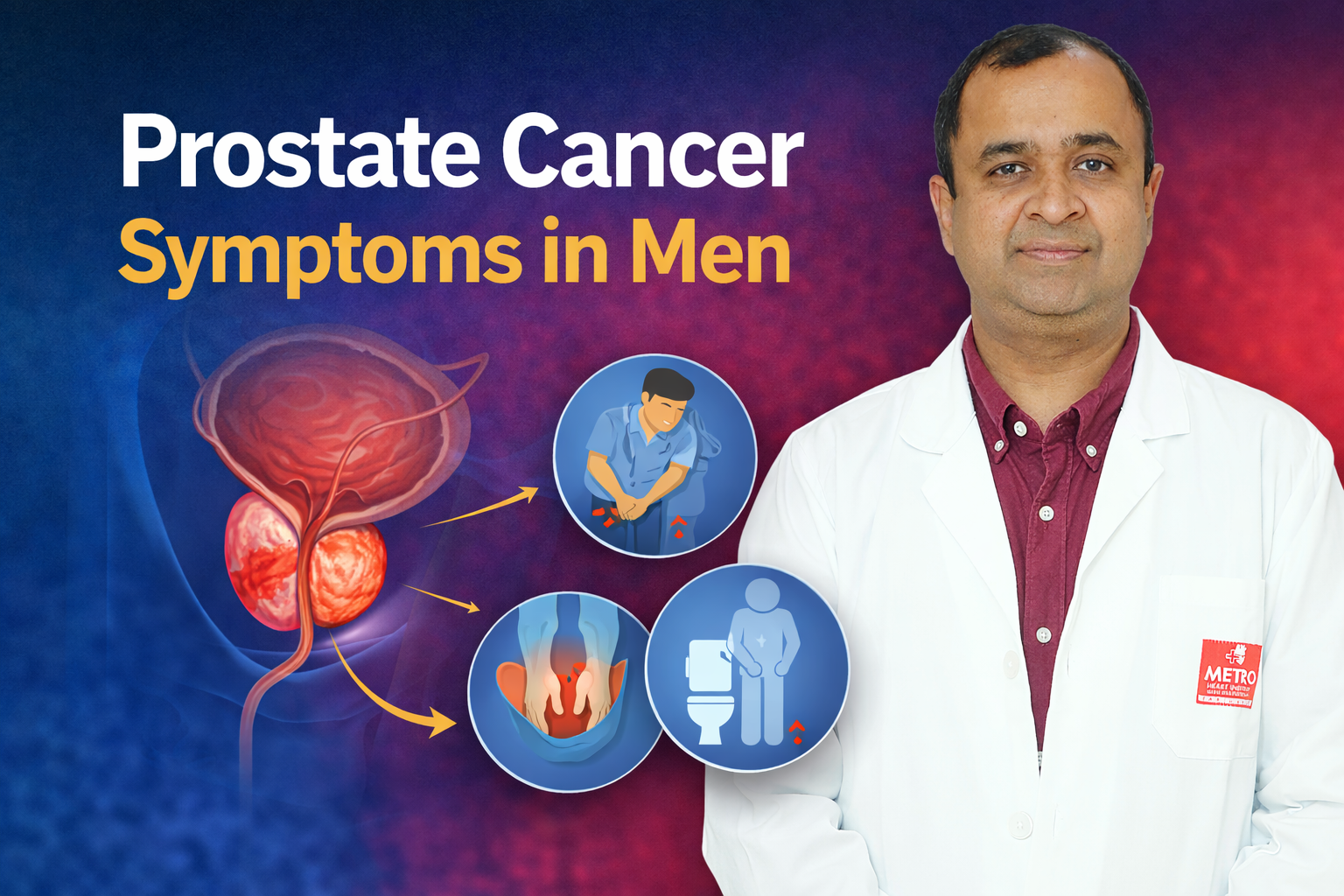
Prostate Cancer Symptoms in Men
Oct 30, 2024
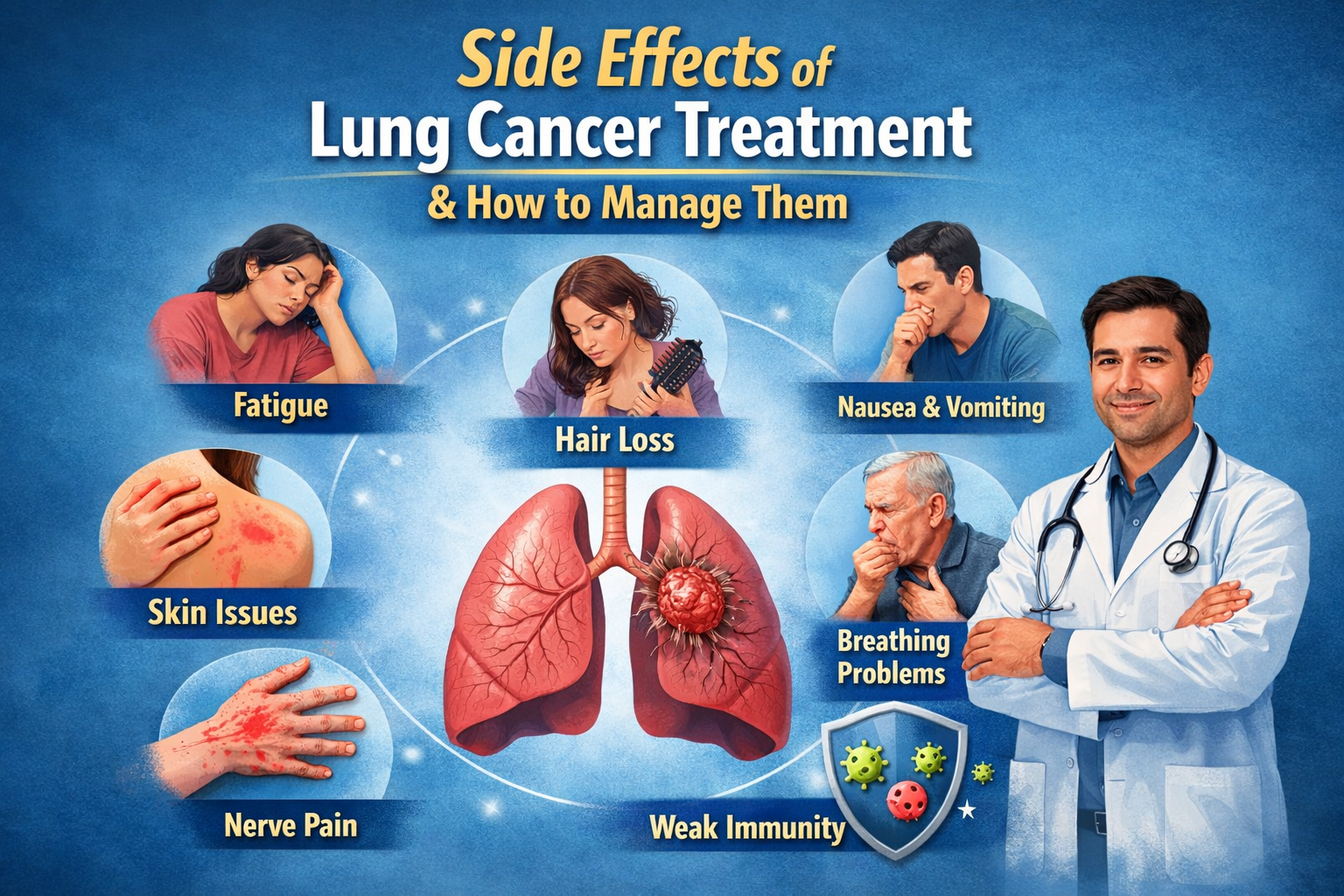
Lung cancer treatment has advanced significantly over the years, improving survival rates and quality of life. However, treatments such as chemotherapy, radiation therapy, targeted therapy, immunotherapy, and surgery can cause side effects that vary from person to person.
Understanding these side effects—and knowing how to manage them—can help patients and caregivers feel more prepared and confident throughout the treatment journey.
In Faridabad and across Delhi NCR, patients trust Dr Sumant Gupta, regarded as the best oncologist and lung cancer doctor in Faridabad, for his expert, compassionate, and evidence-based approach to cancer care.
📍 Book an Appointment Today
📞 Call: +91 981 862 8242
🌐 Visit: drsumantgupta.com
Cancer treatments are designed to destroy cancer cells, but some healthy cells can also be affected—especially fast-growing cells such as those in hair follicles, the digestive tract, and bone marrow. The type and intensity of side effects depend on:
Type of lung cancer
Stage of cancer
Treatment modality used
Overall health of the patient
What patients experience:
Persistent tiredness that does not improve with rest.
How to manage it:
Prioritise rest and short naps
Light physical activity such as walking
Balanced diet with adequate protein
Maintain a regular sleep schedule
Often caused by chemotherapy or certain targeted therapies.
How to manage it:
Anti-nausea medications as prescribed
Eat small, frequent meals
Avoid oily or spicy foods
Stay well hydrated
Common during chemotherapy and radiation.
How to manage it:
High-protein, high-calorie foods
Nutritional supplements if advised
Eat when appetite is best (often mornings)
Consult a dietitian as part of cancer care
A common emotional concern during chemotherapy.
How to manage it:
Use mild shampoos
Avoid heat styling
Consider scarves, caps, or wigs
Remember: hair usually grows back after treatment
Can occur due to lung involvement, radiation, or surgery.
How to manage it:
Breathing exercises
Pulmonary rehabilitation
Oxygen therapy if required
Avoid smoking and air pollution
May worsen during radiation therapy.
How to manage it:
Prescribed cough suppressants
Adequate hydration
Steam inhalation (if advised by doctor)
Chemotherapy can reduce white blood cells.
How to manage it:
Maintain good hygiene
Avoid crowded places
Promptly report fever or infections
Regular blood tests as advised
Radiation can cause redness, dryness, or irritation.
How to manage it:
Use only doctor-recommended creams
Avoid harsh soaps
Protect skin from sun exposure
Often associated with certain chemotherapy drugs.
How to manage it:
Inform your oncologist early
Vitamin supplementation if advised
Avoid cold exposure
Gentle physiotherapy
Anxiety, fear, and depression are common.
How to manage it:
Open communication with family
Counselling or support groups
Mindfulness and relaxation techniques
Professional psychological support
Hair loss
Nausea and vomiting
Fatigue
Low blood counts
Skin irritation
Cough
Difficulty swallowing
Fatigue
Skin rash
Diarrhoea
Liver enzyme changes
Auto-immune reactions
Fatigue
Inflammation of lungs or thyroid
Pain at incision site
Reduced lung capacity
Temporary breathing difficulty
Seek urgent medical advice if you experience:
High fever
Sudden breathlessness
Severe chest pain
Uncontrolled vomiting
Severe weakness or confusion
Early intervention can prevent complications.
Managing side effects effectively requires experience, personalised planning, and constant monitoring. This is where choosing the right oncologist makes a crucial difference.
Dr Sumant Gupta is widely recognised as the best oncologist and lung cancer specialist in Faridabad, known for:
Individualised lung cancer treatment plans
Advanced symptom-management protocols
Patient-centric and compassionate approach
Extensive experience in chemotherapy, targeted therapy, and immunotherapy
Under his care, patients receive not just cancer treatment—but holistic support throughout diagnosis, treatment, and recovery.
📍 Consult Dr Sumant Gupta Today
📞 Call: +91 981 862 8242
🌐 Visit: drsumantgupta.com
Most side effects gradually reduce after treatment completion. With proper follow-up care, lifestyle changes, and rehabilitation, many patients return to a good quality of life.
Regular follow-ups help:
Monitor recovery
Detect recurrence early
Manage long-term effects
Lung cancer treatment can be challenging, but side effects are manageable with the right medical guidance. Awareness, early reporting of symptoms, and expert care play a vital role in ensuring better outcomes.
If you or your loved one is undergoing lung cancer treatment, consulting an experienced oncologist like Dr Sumant Gupta can make the journey safer, more comfortable, and more hopeful.
Oct 30, 2024
Oct 30, 2024
Oct 30, 2024