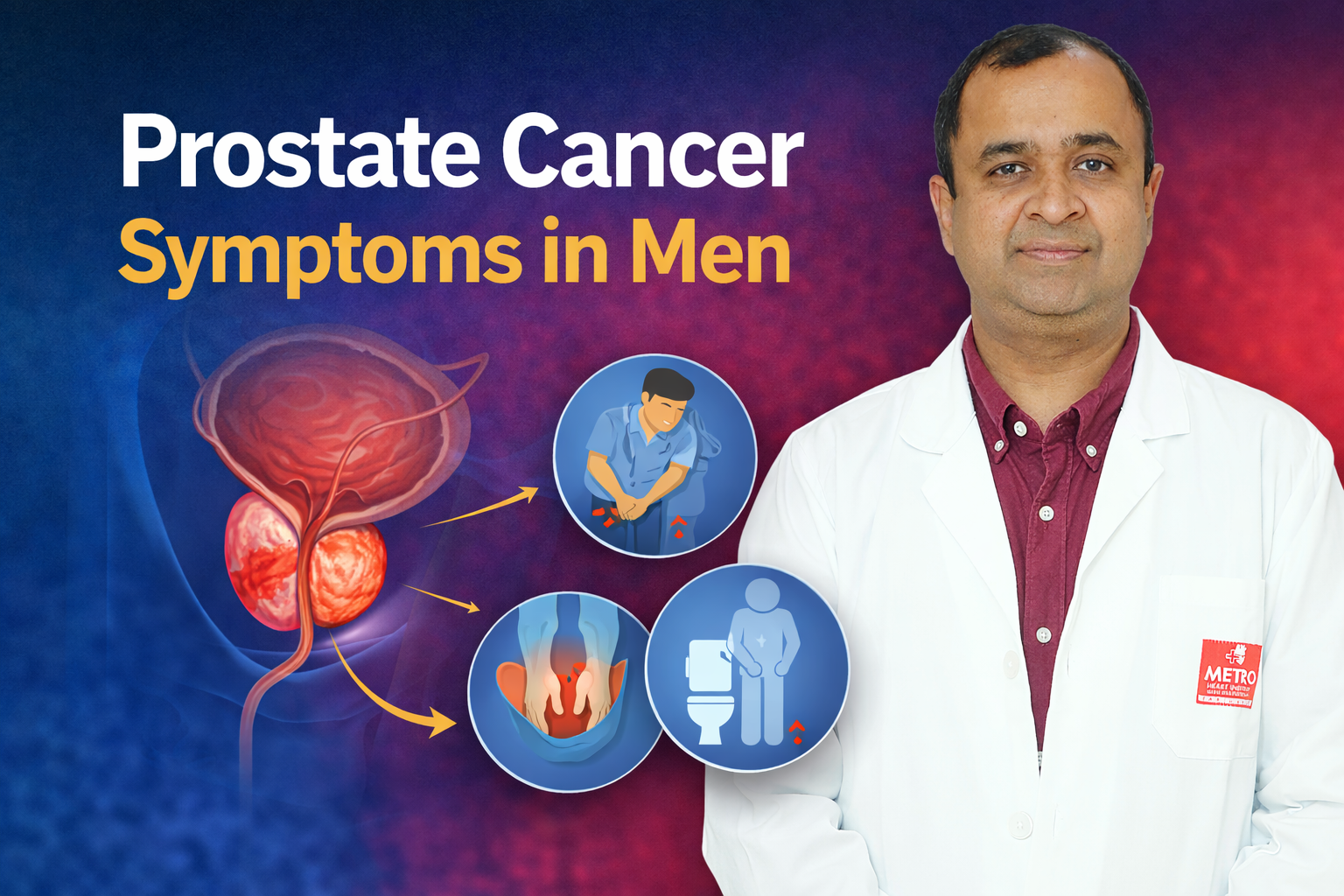
Prostate Cancer Symptoms in Men
Oct 30, 2024
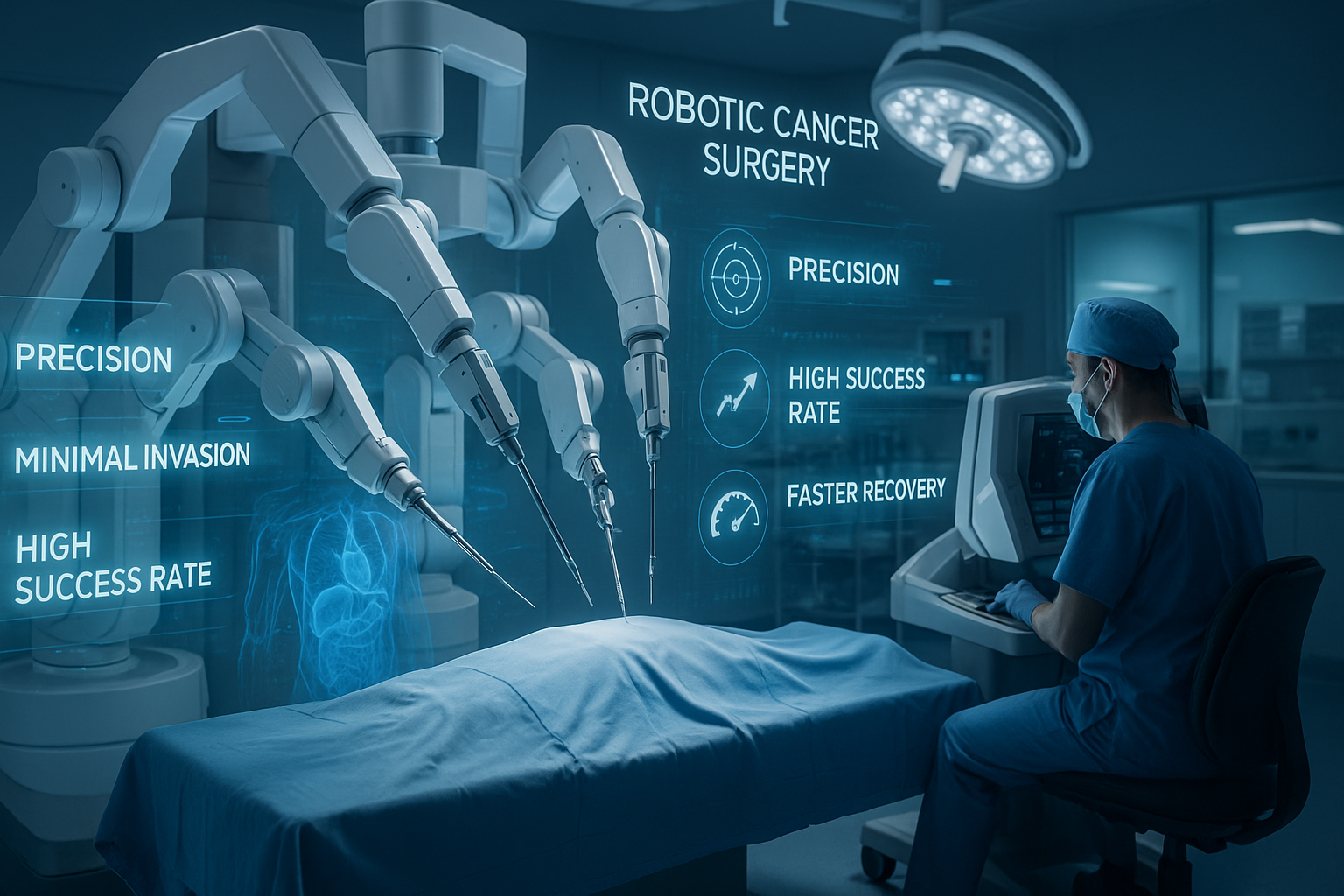
Cancer treatment has evolved dramatically in the past decade, and one of the most transformative advancements is robotic cancer surgery. Once considered futuristic, robotic systems are now a crucial part of modern surgical oncology. They enable surgeons to remove tumors with unparalleled precision, minimal blood loss, and faster recovery times.
For patients in Faridabad and Delhi NCR, access to advanced robotic cancer surgery—combined with expert oncology guidance from specialists like Dr. Sumant Gupta, one of the best oncologist in faridabad—has significantly improved treatment outcomes.
This blog explores the science behind robotic cancer surgery, its benefits, success rates, and what patients can expect during recovery.
Robotic cancer surgery is a form of minimally invasive surgery where the surgeon controls robotic arms through a console. The robotic system does not operate independently; instead, it enhances the surgeon’s movements with superior precision, flexibility, and control.
Robotic Arms: Equipped with surgical instruments.
High-Definition 3D Camera: Offers magnified views of internal organs.
Surgeon Console: The surgeon controls the robot with 360° wrist-like movements.
Enhanced Visualisation: Provides 10x magnification for superior accuracy.
Robotic systems allow surgeons to access hard-to-reach areas with small incisions, making them ideal for complex cancer surgeries.
Robotic-assisted cancer surgeries are commonly used in:
Prostate cancer
Kidney cancer
Cervical and endometrial cancer
Colorectal cancer
Lung cancer
Head and neck cancers
Gastrointestinal cancers
Gynecologic cancers
Certain liver and pancreatic tumors
Under the guidance of the treating oncologist, robotic surgery can be chosen for early-stage and selected advanced cancers where minimally invasive precision is required.
Robotic cancer surgery provides benefits that conventional open and laparoscopic surgeries cannot match. These advantages are crucial for quicker recovery, reduced pain, and lower complication rates.
Robotic arms mimic the surgeon’s hand movements with extraordinary accuracy while filtering out even minor tremors. This allows surgeons to remove cancerous tissues precisely without damaging surrounding healthy tissues.
This is especially important in cancers involving delicate organs such as the prostate, cervix, kidneys, and rectum.
Most robotic surgeries involve small keyhole incisions rather than large cuts. This results in:
Less pain during recovery
Minimal scarring
Reduced blood loss
Lower risk of wound infections
Patients often report significantly less discomfort than traditional open surgery.
Because the surgery is minimally invasive, patients can go home earlier and resume normal activities faster. Many robotic cancer surgery patients are discharged within 2–3 days, depending on the type of procedure.
Faster recovery means:
Lower emotional stress
Improved post-surgery comfort
Quicker return to work and daily routines
Robotic technology ensures fine control over surgical movements, reducing the risk of:
Accidental injury to organs
Excessive bleeding
Postoperative infections
Surgical errors
For cancer patients who already have weakened immunity due to chemotherapy, reduced complications significantly impact overall treatment success.
The 3D HD camera provides up to 10x magnification, allowing surgeons to view even the smallest blood vessels, nerves, and tissues. This advantage is crucial for:
Pelvic surgeries (prostate, cervix, rectum)
Deep abdominal cancers
Thoracic surgeries
Better visualization leads to precise tumor removal and lowers recurrence risk.
Robotic surgery often results in better postoperative outcomes, particularly for:
Urinary continence
Sexual function (in prostate cancer surgeries)
Bowel function
Organ preservation
For cancers where preserving quality of life is key, robotic surgery offers incredible benefits.
Success rates vary depending on the type and stage of cancer, surgeon’s expertise, and hospital infrastructure. However, global studies and clinical data consistently show that robotic cancer surgery offers:
The ability to remove tumors completely while preserving healthy tissue improves treatment success.
Precise surgical margins and minimal tissue damage help reduce the risk of cancer returning.
For prostate, cervical, kidney, and colorectal cancers, robotic surgery has excellent outcomes—sometimes even better than open surgery.
Reduced infections and blood loss contribute to better postoperative results.
When a tumor is removed completely with minimal trauma, survival rates improve significantly.
Globally, robotic surgery is now considered one of the safest and most effective surgical options for many cancers.
One of the biggest advantages of robotic cancer surgery is the smoother and faster recovery process.
Most patients stay 1–3 days depending on the surgery, compared to a week or more for open procedures.
Small incisions mean reduced pain and minimal need for pain medication.
Patients are usually able to walk within 24 hours, helping reduce clot risks and supporting better healing.
Tiny cuts heal quickly and leave barely visible marks.
Depending on the surgery, many patients resume normal activities within 2–4 weeks. Recovery is faster due to:
Limited muscle damage
Reduced internal trauma
Better preservation of nerves and tissues
After robotic surgery, follow-up care with a cancer specialist like Dr. Sumant Gupta ensures:
Monitoring for complications
Checking surgical success
Evaluating need for chemotherapy or radiation
Preventing recurrence
Continuous oncology support plays a vital role in long-term outcomes.
Not all hospitals offer advanced robotic surgical systems. Faridabad has become a leading centre for robotic oncology due to:
Access to modern robotic platforms
Experienced surgeons collaborating with medical oncologists
Multidisciplinary cancer care
Advanced diagnostic capabilities
Faster recovery and high success rates
When robotic surgery is combined with expert oncology management, patients get the best possible outcomes.
Robotic cancer surgery achieves the best results when paired with expert medical oncology care. Dr. Sumant Gupta, Senior Oncologist & Hematologist at Metro Hospital, Faridabad, is widely regarded as the best oncologist in Faridabad. He has extensive experience in treating complex cancers using evidence-based, personalised treatment protocols.
Highly experienced in medical oncology and hematology
Expertise across all cancer types including blood cancers, breast cancer, lung cancer, and GI cancers
Collaborative approach with surgical oncologists and robotic surgeons
Focus on early diagnosis, accurate treatment planning, and long-term survival
Compassionate, patient-centric care
📍 Book an Appointment Today
📞 Call: +91 981 862 8242
🌐 Visit: drsumantgupta.com
Robotic cancer surgery has revolutionised surgical oncology, offering unmatched precision, faster recovery, and excellent long-term outcomes. Whether it’s prostate, kidney, gynecological, colorectal, or lung cancer, robotic surgery offers a safer and more effective alternative to traditional open surgery.
Combined with expert guidance from leading cancer specialists like Dr. Sumant Gupta, patients in Faridabad can now access world-class cancer treatment without traveling far.
Oct 30, 2024

Oct 30, 2024

Oct 30, 2024