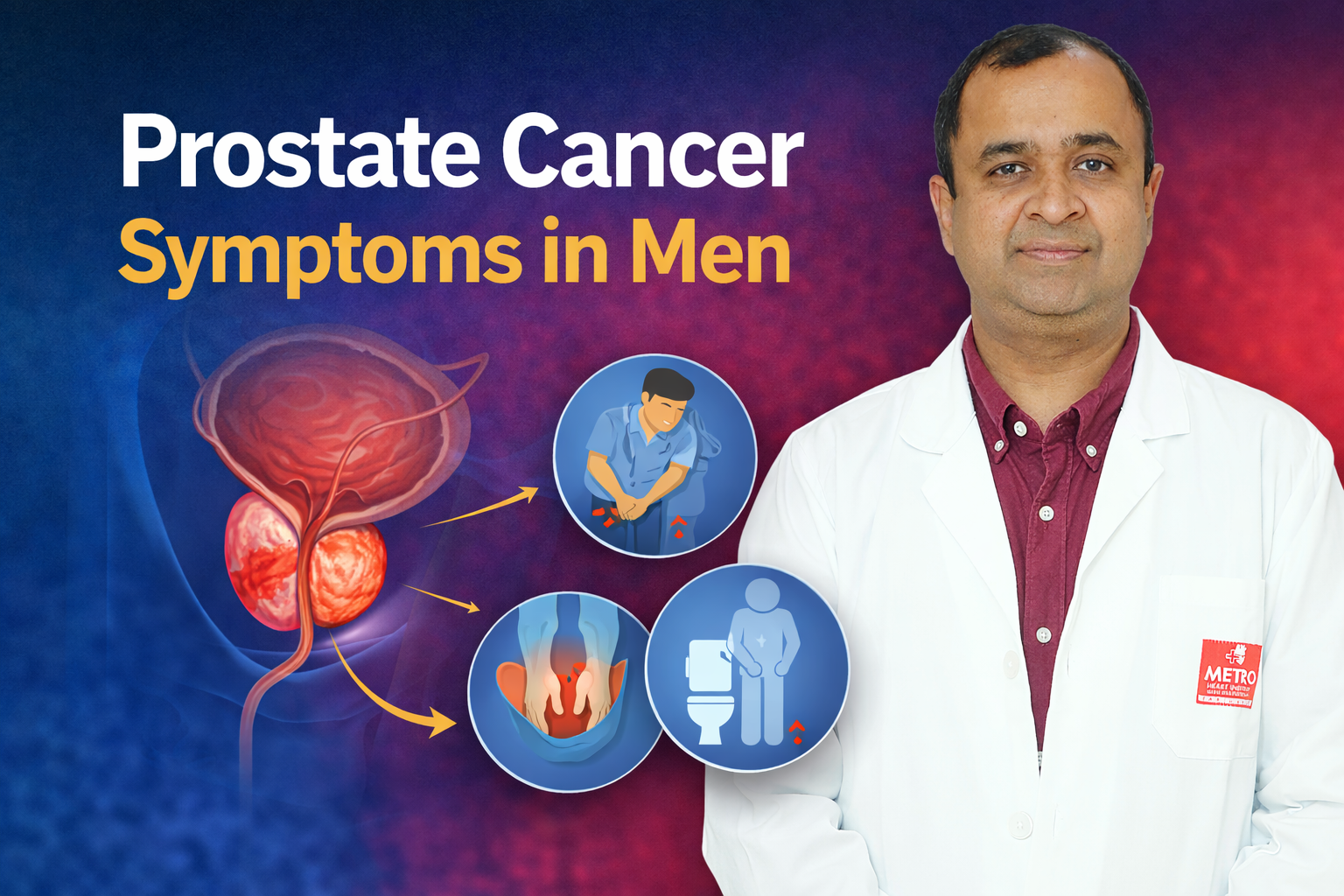
Prostate Cancer Symptoms in Men
Oct 30, 2024
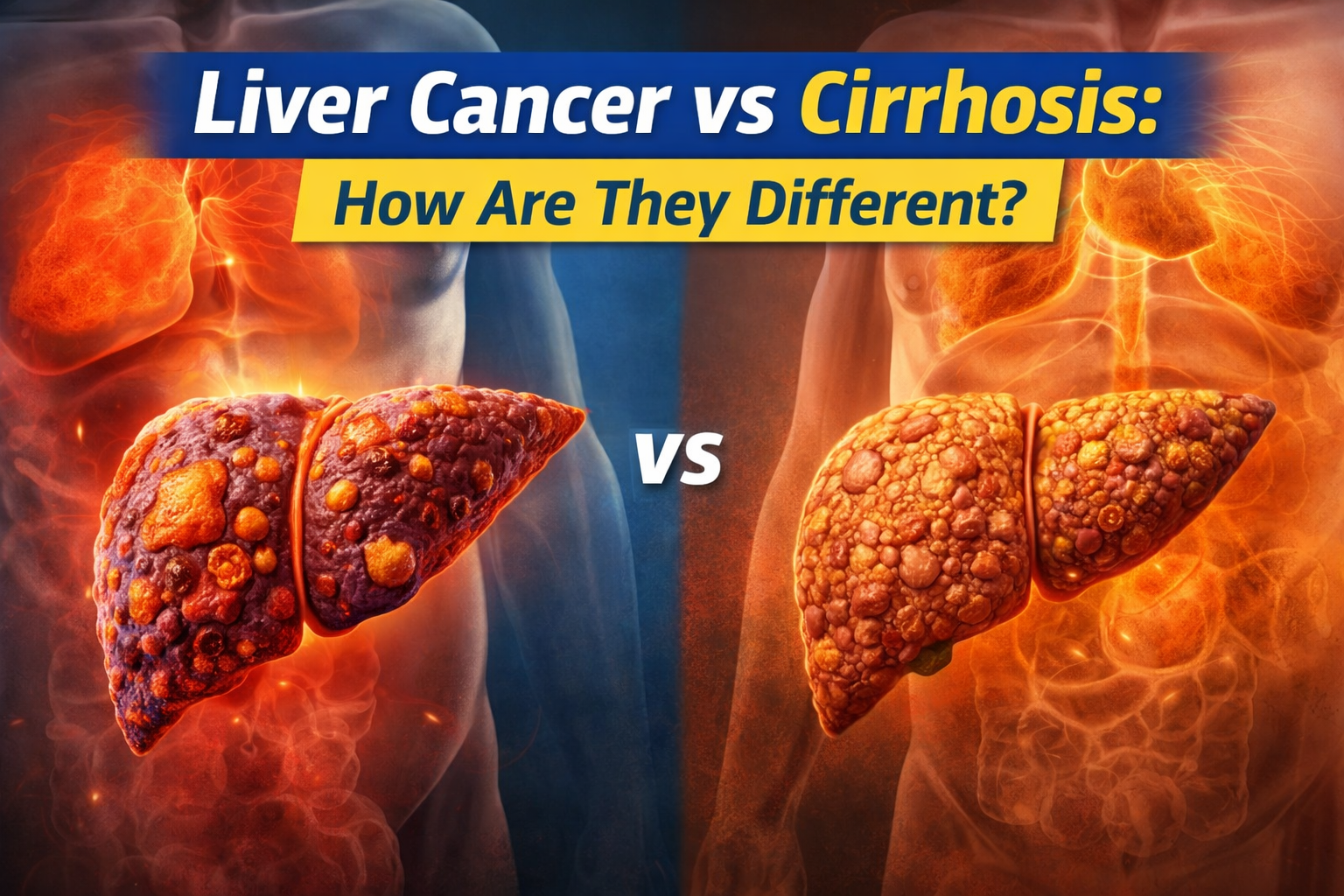
Liver-related diseases are rising rapidly in India due to factors such as unhealthy lifestyle habits, viral hepatitis infections, alcohol consumption, and metabolic disorders. Among these conditions, cirrhosis and liver cancer are often misunderstood and used interchangeably, even though they are fundamentally different in nature, severity, and treatment. Confusing the two can delay proper diagnosis and lead to serious health consequences.
Understanding the difference between liver cancer and cirrhosis is essential for early detection and effective treatment. With expert guidance from Dr. Sumant Gupta, the best oncologist in Faridabad and a leading liver cancer doctor, patients can receive accurate diagnosis, timely intervention, and advanced cancer care tailored to their condition. His extensive experience in oncology ensures that liver diseases are managed with precision, compassion, and evidence-based treatment protocols.
The liver is one of the most vital organs in the human body. It plays a key role in:
Detoxifying harmful substances
Producing bile for digestion
Regulating blood clotting
Storing nutrients and energy
Supporting immunity
Damage to the liver can significantly impact overall health, which is why conditions like cirrhosis and liver cancer should never be ignored.
Cirrhosis is a chronic liver condition in which healthy liver tissue is gradually replaced by scar tissue. This scarring disrupts normal liver function and blood flow.
Chronic alcohol consumption
Hepatitis B or Hepatitis C infection
Non-alcoholic fatty liver disease (NAFLD)
Autoimmune liver diseases
Long-term exposure to toxins or medications
Cirrhosis usually develops slowly over years and is often the result of untreated or poorly managed liver disease.
In the early stages, cirrhosis may not cause noticeable symptoms. As the disease progresses, symptoms may include:
Fatigue and weakness
Loss of appetite and weight loss
Swelling in legs and abdomen (ascites)
Yellowing of skin and eyes (jaundice)
Easy bruising or bleeding
Confusion or memory issues (hepatic encephalopathy)
Liver cancer occurs when abnormal cells grow uncontrollably in the liver. The most common type is Hepatocellular Carcinoma (HCC).
Unlike cirrhosis, liver cancer is a malignant condition and can spread to other organs if not treated in time.
Long-standing cirrhosis
Chronic hepatitis B or C
Alcohol-related liver disease
Fatty liver disease
Exposure to aflatoxins
Genetic liver disorders
It is important to note that cirrhosis is the biggest risk factor for liver cancer, but not all patients with cirrhosis develop cancer.
Liver cancer symptoms often overlap with cirrhosis, which is why diagnosis can be delayed. Symptoms may include:
Persistent abdominal pain (especially on the right side)
Unexplained weight loss
Loss of appetite
Worsening jaundice
Increased abdominal swelling
Nausea and vomiting
Sudden deterioration in liver function
| Feature | Cirrhosis | Liver Cancer |
|---|---|---|
| Nature of disease | Chronic liver scarring | Malignant tumour |
| Cause | Long-term liver damage | Uncontrolled cancer cell growth |
| Progression | Slow, over years | Can progress rapidly |
| Cancer risk | Increases cancer risk | Already cancer |
| Treatment goal | Prevent complications | Cure or control cancer |
| Spread to other organs | No | Yes, possible |
Yes. Cirrhosis significantly increases the risk of developing liver cancer, especially in patients with hepatitis B, hepatitis C, or alcohol-related liver disease.
This is why regular screening is critical for cirrhosis patients. Early detection can make liver cancer highly treatable.
Blood tests (liver function tests)
Ultrasound or FibroScan
CT scan or MRI
Liver biopsy (in selected cases)
Ultrasound screening
AFP (alpha-fetoprotein) blood test
CT scan or MRI of the liver
Biopsy (when required)
An experienced oncologist plays a crucial role in differentiating between these conditions and planning the right treatment.
Cirrhosis cannot be completely reversed, but progression can be slowed by:
Treating the underlying cause
Stopping alcohol consumption
Managing hepatitis
Dietary and lifestyle modifications
Medications to control complications
Liver transplant in advanced cases
Liver cancer treatment depends on the stage of cancer and liver function. Options may include:
Surgery
Local therapies (ablation, TACE)
Targeted therapy
Immunotherapy
Chemotherapy
Liver transplant (in selected patients)
This is where expertise from the best liver cancer doctor becomes essential.
Many patients assume liver-related symptoms are minor or related to digestion. Delaying diagnosis can result in advanced disease, where treatment options become limited.
Consulting an experienced oncologist early can:
Help differentiate cirrhosis from liver cancer
Ensure accurate staging
Improve treatment success rates
Increase survival outcomes
When it comes to expert cancer care, Dr. Sumant Gupta is widely recognised as the best oncologist in Faridabad and one of the most trusted liver cancer doctors in the region.
Senior oncologist with extensive experience
Specialises in oncology, hematology, and BMT
Expertise in managing complex liver cancers
Patient-centric, evidence-based treatment approach
Known for ethical care and personalised treatment planning
Dr. Sumant Gupta is currently a senior oncologist at Metro Hospital, Faridabad, where he leads advanced cancer treatment protocols with a multidisciplinary team.
📞 Call: +91 981 862 8242
🌐 Visit: drsumantgupta.com
You should consult an oncologist immediately if you experience:
Worsening liver symptoms
Sudden weight loss
Persistent abdominal pain
Rising AFP levels
New liver lesions on imaging
History of cirrhosis with new symptoms
Early consultation can be life-saving.
While cirrhosis and liver cancer are closely related, they are not the same condition. Cirrhosis is a chronic liver disease, whereas liver cancer is a life-threatening malignancy. Early diagnosis, regular screening, and expert care make a significant difference in outcomes.
If you or your loved one is facing liver-related concerns, consulting Dr. Sumant Gupta, the best oncologist in Faridabad and best liver cancer doctor, ensures accurate diagnosis, advanced treatment, and compassionate care.
Oct 30, 2024
Oct 30, 2024
Oct 30, 2024