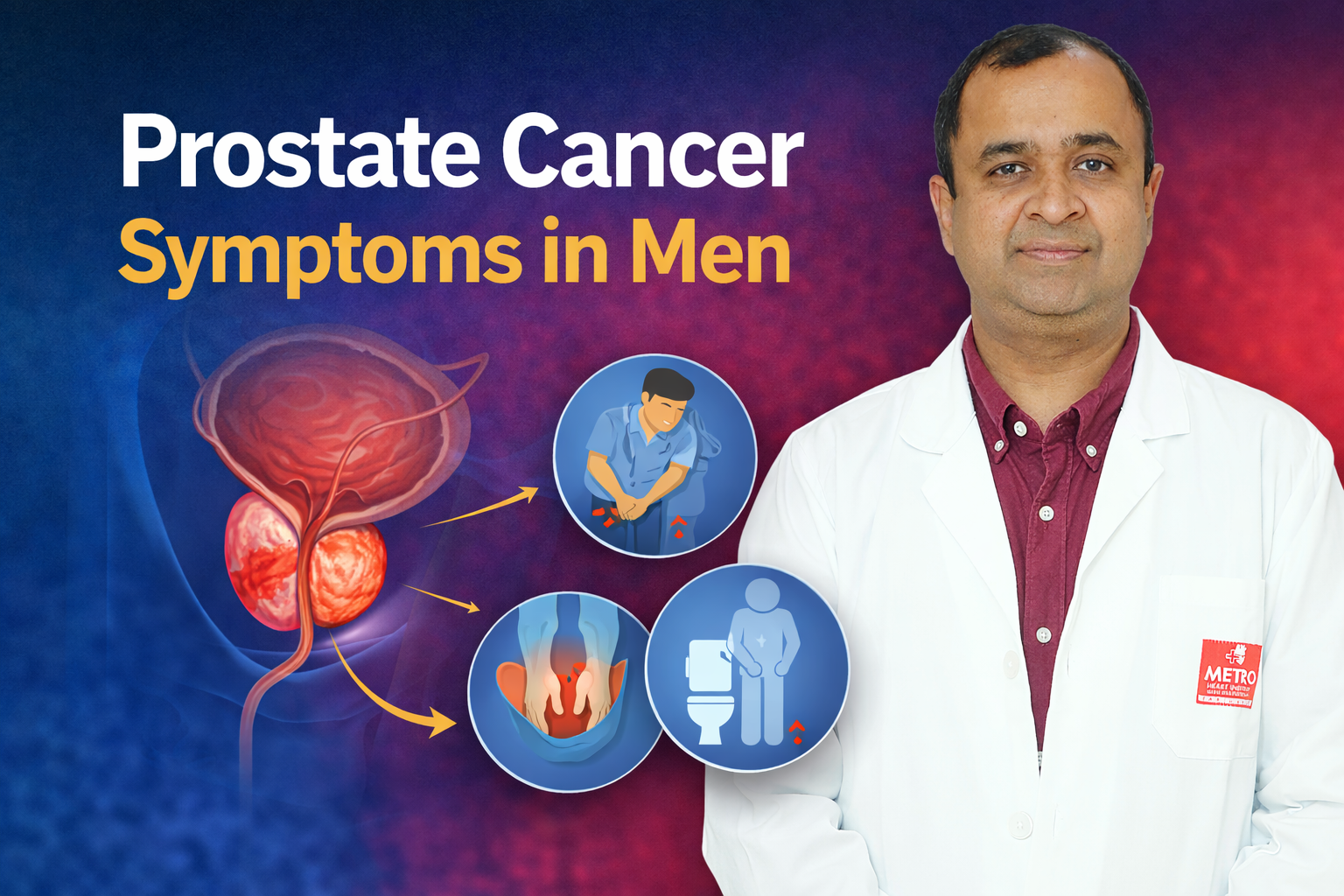
Prostate Cancer Symptoms in Men
Oct 30, 2024
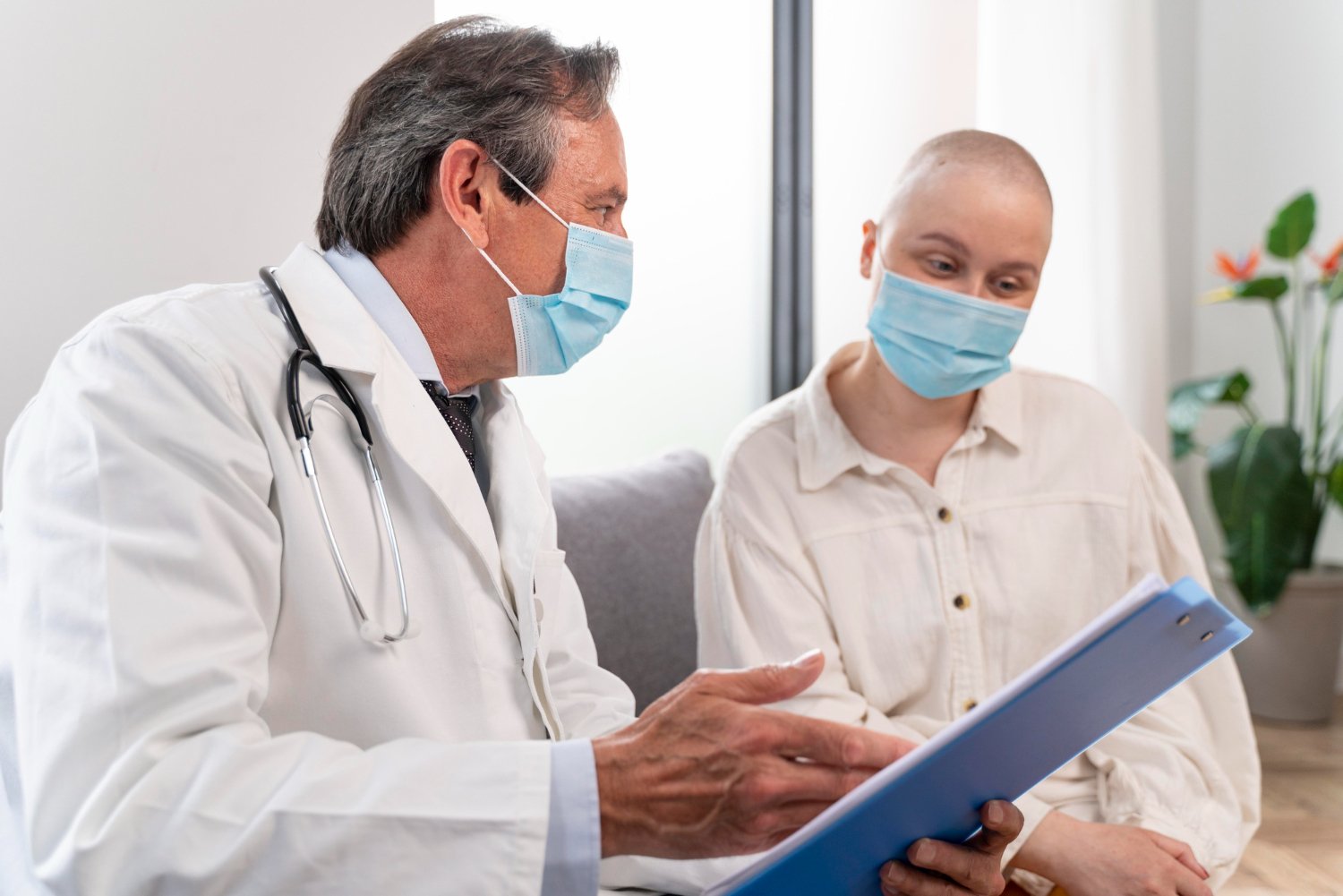
When someone hears the word “cancer,” the first question that usually follows is: “What’s the best treatment for me?”
The truth is, there is no one-size-fits-all plan. Two patients can have the same type of cancer, yet require very different treatments. That’s because oncologists don’t choose a treatment plan based on guesswork—they follow a structured, evidence-based approach that considers the cancer type, stage, biology, overall health, and the patient’s goals.
In this blog, we’ll break down how oncologists decide the best treatment plan for cancer patients, in a clear and practical way, so families feel more confident and informed.
Before treatment begins, oncologists first focus on one major goal: confirming the exact diagnosis.
This usually includes:
Biopsy (the most important step): confirms cancer and its subtype
Imaging tests: CT, MRI, PET-CT, ultrasound (to check spread)
Blood tests: to assess organ function and overall fitness
Pathology report review: tumour type, grade, markers, and other key details
Why this matters: The diagnosis tells the doctor what type of cancer it is, how aggressive it may be, and what treatments are most likely to work.
Once diagnosis is confirmed, the next step is staging, which means checking:
Tumour size
Lymph node involvement
Whether it has spread to other organs
Staging is often described as Stage 1 to Stage 4, but oncologists look deeper than just a number.
Why this matters:
Early-stage cancers may be treated with surgery + limited therapy
Advanced-stage cancers may need systemic treatments like chemo, targeted therapy, or immunotherapy
Modern cancer care isn’t only about where the cancer is—it’s also about how the cancer behaves.
Oncologists evaluate tumour biology through:
Histopathology (how cells look under microscope)
Immunohistochemistry (IHC) markers
Molecular / genetic tests (when needed)
These tests can reveal whether the cancer is likely to respond to:
Chemotherapy
Hormone therapy
Targeted therapy
Immunotherapy
Why this matters: Two patients with the same cancer stage can respond differently because their tumour biology is different.
A strong treatment plan is not only effective—it must also be safe.
Oncologists assess:
Age and overall health
Heart, liver, kidney function
Existing conditions (diabetes, BP, thyroid, etc.)
Nutrition status and weight
Performance status (daily activity level)
Why this matters: Some therapies are powerful but may not be suitable for patients with certain health risks. The goal is maximum cancer control with minimum harm.
In good cancer centres, treatment planning happens through team-based decision-making, often called a tumour board.
Your case may involve:
Medical oncologist
Surgical oncologist
Radiation oncologist
Radiologist
Pathologist
Onco-nutritionist / psycho-oncologist (if required)
Why this matters: When experts work together, patients get a more accurate plan and fewer delays.
Oncologists generally choose a strategy based on the goal:
Common in many early-stage cancers:
Surgery + radiation
Chemotherapy (if needed)
Targeted therapy / hormone therapy (for specific cancers)
Often in advanced cancers:
Chemotherapy / targeted / immunotherapy
Radiotherapy for symptom control
Maintenance treatments
For symptom management and better daily life:
Pain management
Nutritional support
Breathlessness, fatigue, nausea control
Emotional support
Important note: Palliative care is not “giving up.” It is care focused on comfort and quality at any stage.
Oncologists decide whether treatment should start with:
Surgery first (when tumour can be removed easily)
Neoadjuvant therapy (chemo/targeted therapy before surgery to shrink tumour)
Adjuvant therapy (chemo/radiation after surgery to reduce recurrence risk)
Concurrent chemoradiation (chemo + radiation together for certain cancers)
Why this matters: Many cancers respond best when treatments happen in the right sequence.
An ideal treatment plan includes side-effect prevention and supportive care such as:
Anti-nausea protocols
Infection prevention guidance
Blood count monitoring
Nutrition and hydration plans
Management of fatigue and weakness
Counselling and emotional support
Why this matters: When side effects are managed well, patients can continue treatment with better strength and confidence.
Oncologists don’t just treat reports—they treat people.
They consider:
Patient’s daily routine and work needs
Family support at home
Financial planning (where possible)
Travel limitations
Personal priorities and concerns
Why this matters: A treatment that looks perfect on paper must still be practical for the patient to follow.
Cancer treatment is dynamic. Oncologists regularly evaluate progress through:
Response scans (CT/PET/MRI)
Lab tests and tumour markers
Symptom tracking
Side-effect monitoring
If needed, they adjust:
Dose
Schedule
Treatment type (switching therapies)
Supportive medications
Why this matters: A treatment plan is not fixed—it is tailored and improved continuously.
The best outcomes come from:
Accurate diagnosis + staging
Evidence-based decisions
Modern therapy selection
Supportive care
Individualised planning
This is where choosing the right oncologist becomes crucial.
If you are looking for trusted cancer care and personalised treatment planning, Dr. Sumant Gupta is widely regarded as the best oncologist in Faridabad. Known for his expertise in oncology, hematology, and Bone Marrow Transplant, he is recognised for creating patient-specific treatment strategies with a balanced focus on medical precision, safety, and quality of life.
📞 Call: +91 981 862 8242
🌐 Visit: https://drsumantgupta.com/
1) Why do two cancer patients get different treatments for the same cancer?
Because cancer stage, tumour biology, and patient health vary widely.
2) Is chemotherapy always necessary?
Not always. Some cancers respond better to surgery, radiation, targeted therapy, or immunotherapy.
3) How long does treatment planning take?
It depends on reports, biopsy results, and staging. The goal is accuracy, not haste.
4) Can treatment change mid-way?
Yes. If the tumour response or side effects require it, oncologists adjust the plan.
5) What is personalised cancer treatment?
It is a plan tailored to your cancer subtype, genetic markers, health condition, and treatment goals.
Oct 30, 2024
Oct 30, 2024

Oct 30, 2024