
Prostate Cancer Symptoms in Men
Oct 30, 2024
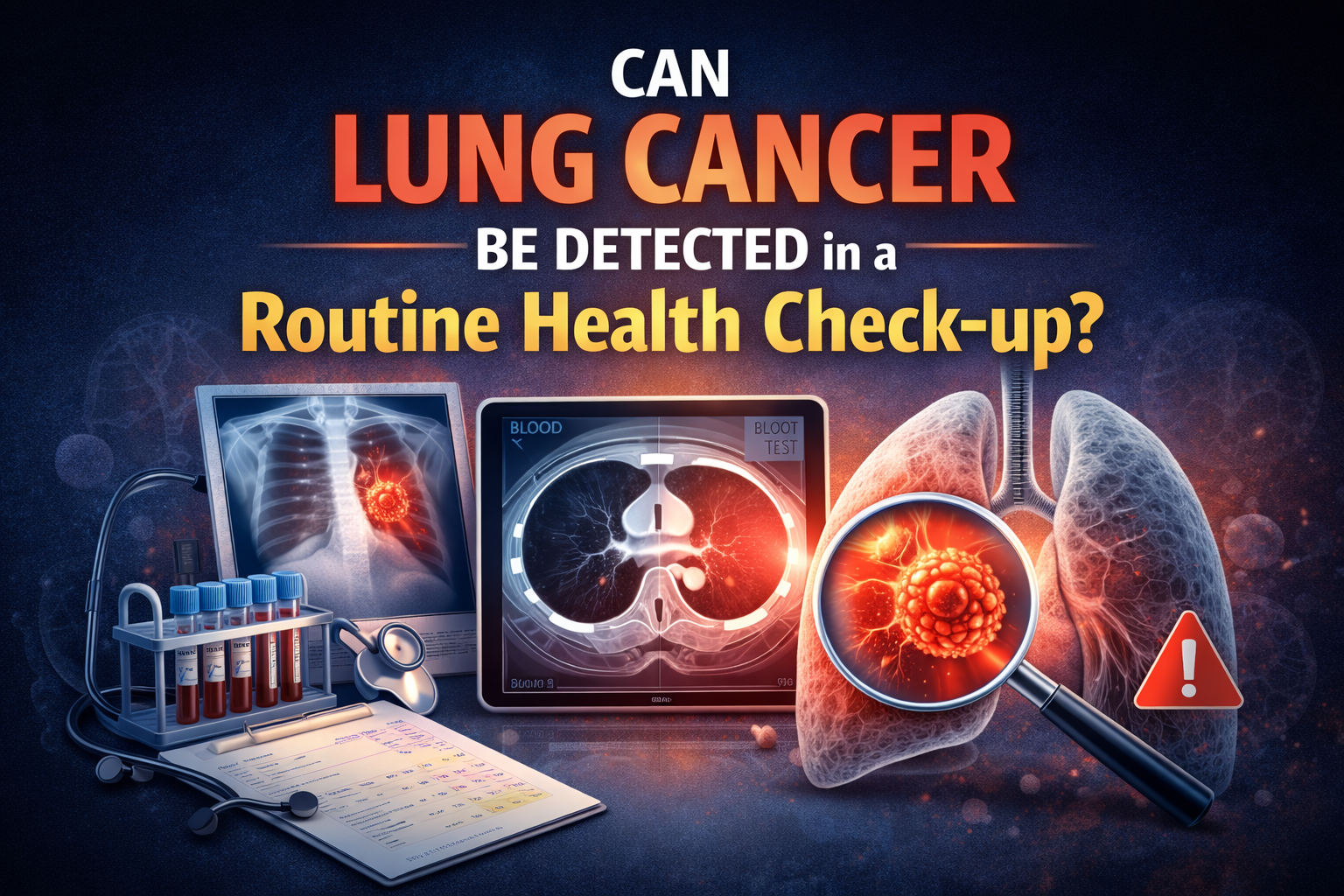
Lung cancer is one of the most serious cancers worldwide, often diagnosed at an advanced stage because early symptoms can be subtle or easily ignored. This leads many people to ask an important question: Can lung cancer be detected in a routine health check-up?
The short answer is yes—sometimes, but with important limitations. This blog explains what routine health check-ups can and cannot detect, who should consider additional screening, and when specialist evaluation becomes essential.
In its early stages, lung cancer may not cause obvious symptoms. Many patients feel generally well or experience mild complaints such as:
Occasional cough
Mild breathlessness
Fatigue
Recurrent chest infections
Because these symptoms are common and non-specific, lung cancer can easily go unnoticed until it progresses. That’s why screening and risk-based evaluation play a crucial role.
A standard health check-up typically consists of:
Basic blood tests (CBC, liver and kidney function)
Chest X-ray (in some packages)
ECG and sometimes echocardiography
Pulmonary function test (in select cases)
General physical examination
While these tests are excellent for overall health assessment, they are not designed specifically to detect early lung cancer.
A chest X-ray is often included in routine health packages, especially for adults above 40.
Large lung masses
Advanced lung tumors
Lung infections or fluid accumulation
Small or early-stage lung cancers
Tumors hidden behind ribs or heart structures
👉 Key point: A normal chest X-ray does not rule out early lung cancer.
Routine blood tests do not directly diagnose lung cancer. However, they may show indirect warning signs such as:
Unexplained anaemia
Raised inflammatory markers
Abnormal liver enzymes (if cancer has spread)
These findings are non-specific and require further investigation, but they can prompt doctors to look deeper if symptoms or risk factors are present.
Routine check-ups may not be enough if you fall into a high-risk group, such as:
Current or former smokers
People exposed to passive smoking
Long-term exposure to air pollution, chemicals, or asbestos
Family history of lung cancer
Chronic lung diseases (COPD, pulmonary fibrosis)
For these individuals, targeted screening is far more effective.
LDCT is a specialised CT scan that uses lower radiation than a regular CT and is specifically designed to detect small lung nodules.
Can detect lung cancer at a very early stage
Proven to reduce lung cancer mortality in high-risk individuals
Much more sensitive than chest X-ray
👉 Important: LDCT is not usually included in routine health check-ups and must be advised by a doctor based on risk assessment.
Yes, in some cases lung cancer is detected incidentally when:
A chest X-ray shows an unexpected shadow
A CT scan done for another reason reveals a lung nodule
Persistent symptoms prompt further imaging
However, relying on chance detection is risky and not recommended.
Even if your routine health check-up is normal, consult a specialist urgently if you experience:
Persistent cough lasting more than 3 weeks
Coughing up blood
Unexplained weight loss
Chest pain
Breathlessness
Recurrent chest infections
Hoarseness of voice
Early specialist evaluation can be life-saving.
If lung cancer is suspected, further tests may include:
High-resolution CT scan or PET-CT
Bronchoscopy
CT-guided biopsy
Molecular and genetic testing (for personalised treatment)
These tests help confirm diagnosis, determine cancer type, and guide the most effective treatment plan.
For accurate diagnosis, timely intervention, and advanced cancer care, consult Dr. Sumant Gupta, widely recognised as the best lung cancer doctor and best oncologist in Faridabad. With expertise in medical oncology, haematology, and advanced cancer therapies, he focuses on early detection, personalised treatment, and evidence-based care for lung cancer patients.
📍 Book an Appointment Today
📞 Call: +91 981 862 8242
Routine health check-ups are important—but they are not enough to reliably detect early lung cancer
Chest X-rays and blood tests have limitations
High-risk individuals benefit most from low-dose CT screening
Persistent symptoms always deserve expert evaluation
Early detection significantly improves survival in lung cancer. If you or a loved one have risk factors or concerning symptoms, don’t wait for routine tests—seek specialist advice early.
Oct 30, 2024

Oct 30, 2024

Oct 30, 2024