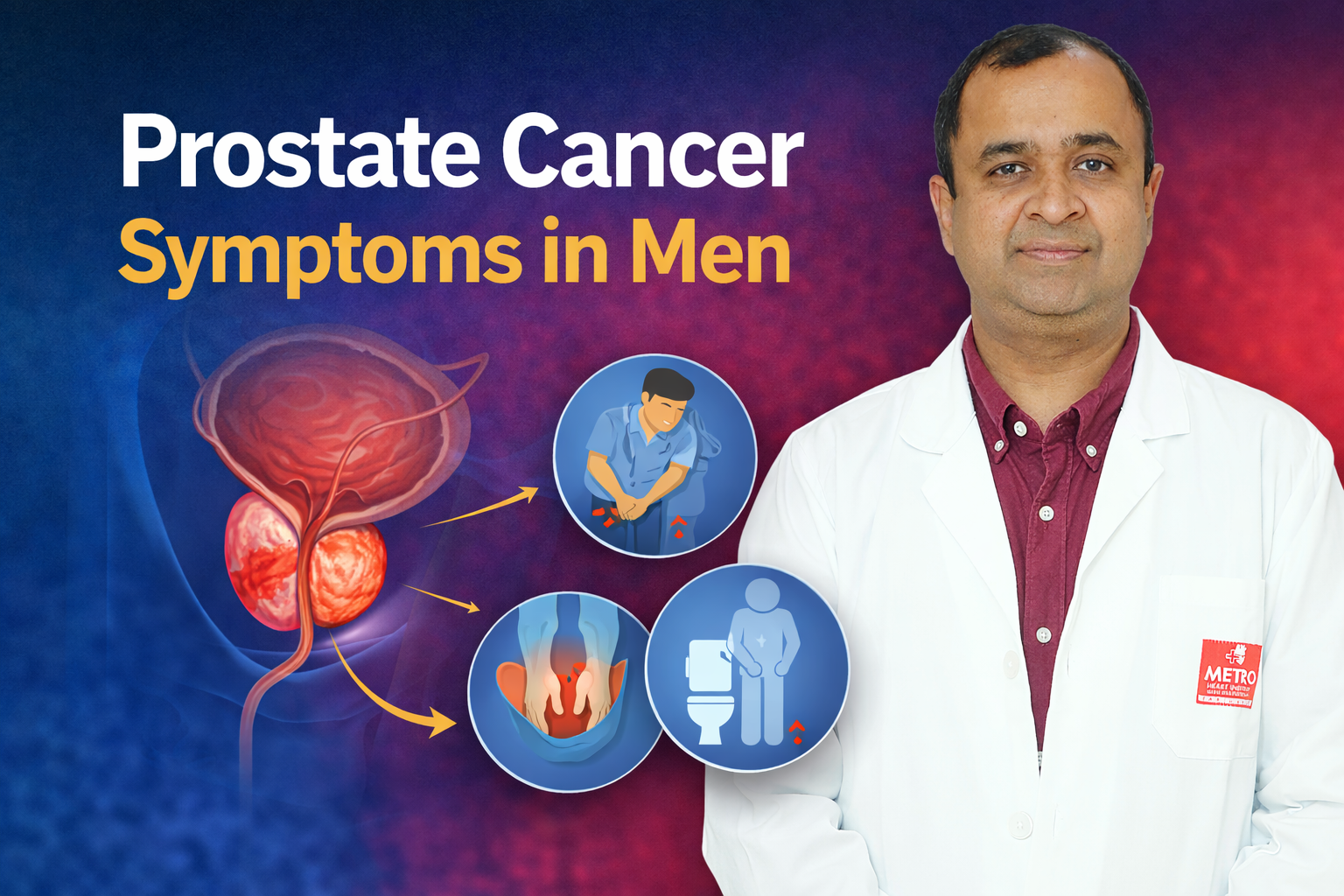
Prostate Cancer Symptoms in Men
Oct 30, 2024
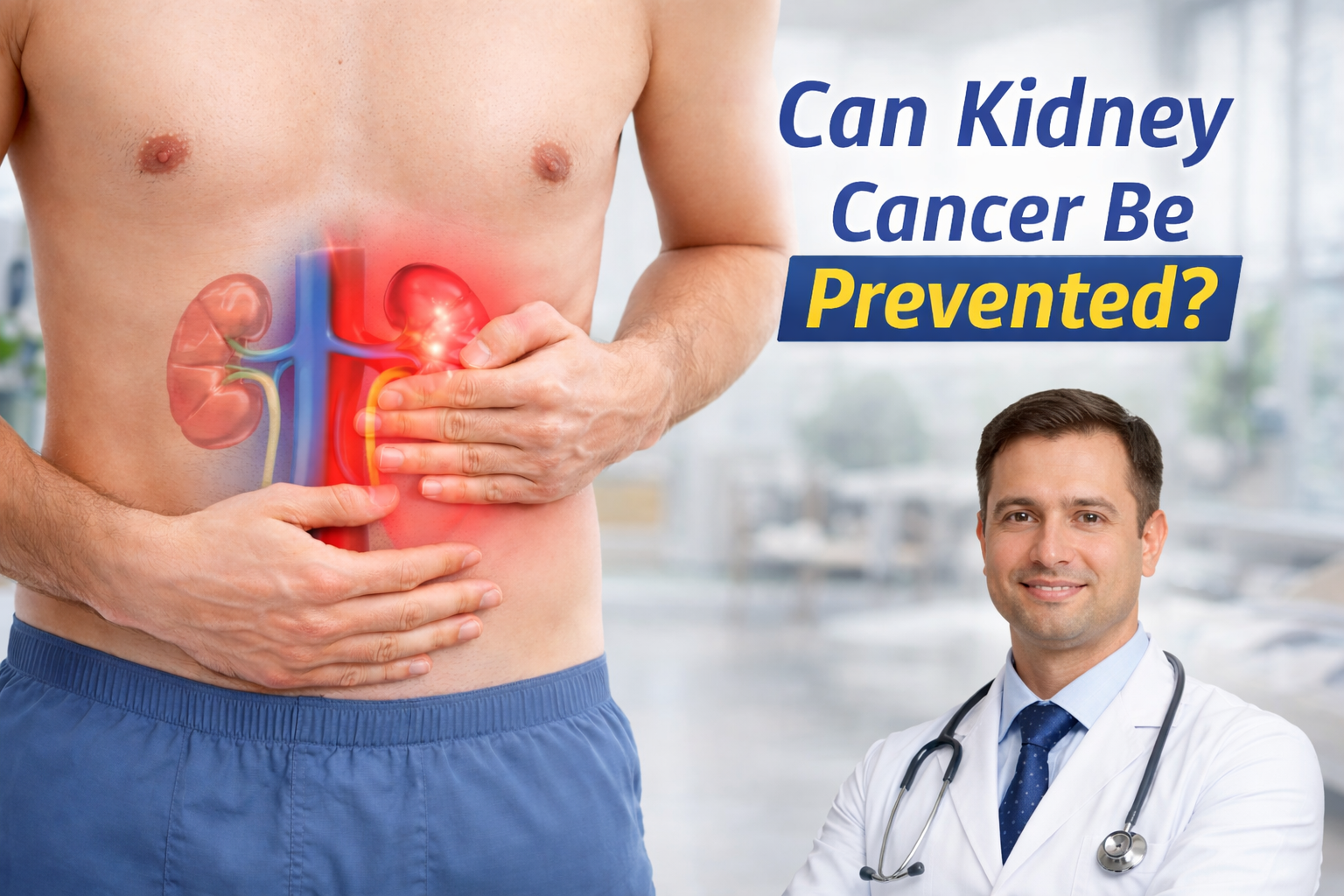
Kidney cancer is one of the most common cancers affecting the urinary system, and its incidence has been steadily increasing over the years. While not all cases of kidney cancer can be prevented, many risk factors are controllable, and early detection can significantly improve treatment outcomes. Understanding prevention strategies, lifestyle changes, and timely medical consultation plays a crucial role in reducing the risk.
This blog explores whether kidney cancer can be prevented, practical steps to lower your risk, and why consulting an experienced oncologist like Dr Sumant Gupta, the best oncologist in Faridabad and a leading kidney cancer doctor, is essential for early diagnosis and advanced cancer care.
Kidney cancer occurs when abnormal cells grow uncontrollably in the kidneys. The most common type is Renal Cell Carcinoma (RCC), which accounts for nearly 90% of kidney cancer cases in adults.
In many patients, kidney cancer develops silently, showing symptoms only in advanced stages. This makes awareness, prevention, and routine health monitoring extremely important.
There is no guaranteed way to completely prevent kidney cancer, but research clearly shows that reducing risk factors and adopting a healthy lifestyle can significantly lower the chances of developing the disease.
Prevention mainly focuses on:
Avoiding known risk factors
Managing chronic health conditions
Early medical evaluation for warning signs
Understanding risk factors is the first step toward prevention.
Smoking is one of the strongest risk factors for kidney cancer. Harmful chemicals in tobacco damage kidney tissue and increase cancer risk significantly.
Prevention tip: Quitting smoking can reduce kidney cancer risk over time and improve overall health.
Excess body weight alters hormone levels and increases inflammation, both of which contribute to cancer development.
Prevention tip:
Maintain a healthy body weight
Eat a balanced diet rich in fruits, vegetables, and whole grains
Limit processed foods and excess salt
Uncontrolled blood pressure can damage kidney function and increase cancer risk.
Prevention tip:
Monitor blood pressure regularly
Follow medical advice for hypertension control
Exercise regularly and reduce stress
Overuse of certain pain medications may harm kidney tissues when taken frequently without medical supervision.
Prevention tip:
Avoid self-medication
Use painkillers only as prescribed
Exposure to harmful chemicals such as asbestos, cadmium, or industrial solvents increases risk.
Prevention tip:
Follow workplace safety guidelines
Use protective equipment in high-risk environments
People with a family history of kidney cancer or inherited genetic conditions may have a higher risk.
Prevention tip:
Regular screening and expert consultation
Early evaluation by a cancer specialist
Even when prevention is not possible, early diagnosis saves lives. Kidney cancer detected at an early stage has a much higher success rate with treatment.
Blood in urine
Persistent lower back or side pain
Unexplained weight loss
Fatigue and loss of appetite
Fever not linked to infection
If you experience any of these symptoms, consulting an experienced oncologist immediately is critical.
Healthy daily habits can reduce risk significantly:
Stay physically active
Drink adequate water
Control diabetes and blood pressure
Avoid tobacco and limit alcohol
Get regular health check-ups
Small lifestyle changes, when followed consistently, can have a long-term protective effect.
You should consult an oncologist if:
You have persistent urinary or kidney-related symptoms
You have a family history of cancer
Imaging tests show abnormal kidney growth
You want expert guidance for cancer prevention or screening
Early expert intervention ensures accurate diagnosis and timely treatment.
When it comes to expert cancer care, Dr Sumant Gupta is widely regarded as the best oncologist in Faridabad and a trusted kidney cancer doctor.
Extensive experience in oncology, hematology, and advanced cancer care
Expertise in diagnosing and treating kidney cancer at various stages
Patient-centric, evidence-based treatment approach
Known for clear guidance, ethical care, and personalised treatment planning
Dr Sumant Gupta focuses not only on treatment but also on early detection, prevention strategies, and long-term cancer management, ensuring the best possible outcomes for patients.
While kidney cancer cannot always be prevented, many cases can be avoided or detected early through lifestyle modifications, risk factor management, and regular medical consultation. Awareness is your strongest defense.
If you are concerned about kidney cancer risk or symptoms, seeking expert advice from Dr Sumant Gupta, the best oncologist in Faridabad and a leading kidney cancer specialist, can make a life-saving difference.
Early action, informed choices, and expert care are the keys to protecting your kidney health.
Oct 30, 2024

Oct 30, 2024

Oct 30, 2024