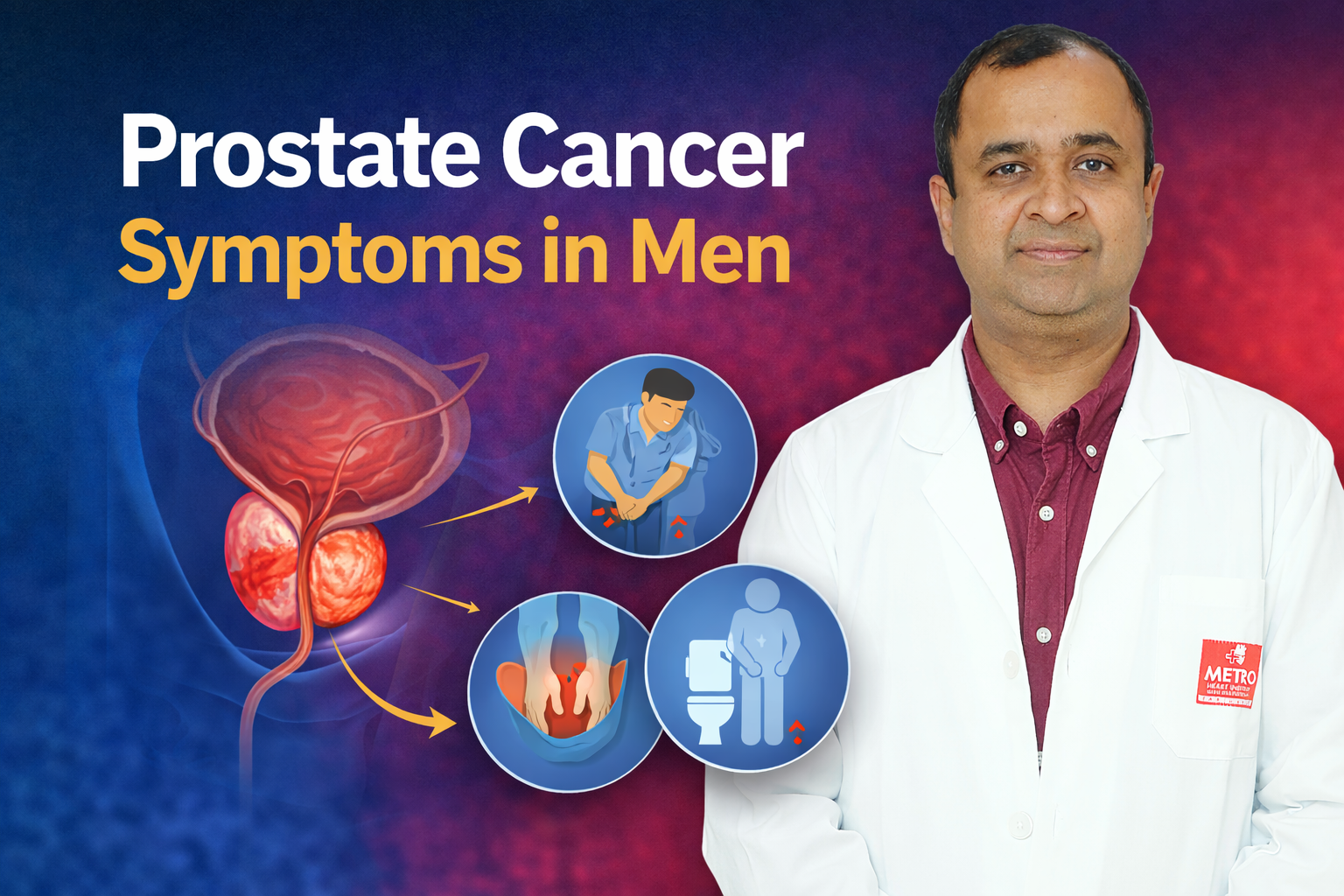
Prostate Cancer Symptoms in Men
Oct 30, 2024
No—there is no credible scientific evidence that a standard hair transplant procedure (FUE or FUT) causes cancer. The surgery mainly involves moving your own hair follicles within the scalp’s superficial layers and does not “create” cancer cells or alter DNA. Hair loss can impact confidence, and hair transplant has become a common solution. But a question many people (especially those with a family history of cancer) ask is: “Can a hair transplant cause cancer?”
That said, there are important related concerns people often confuse with “hair transplant causes cancer.” Let’s break them down clearly.
A hair transplant typically involves:
Extracting healthy follicles from the donor area (usually back of scalp)
Implanting them into thinning/bald areas
Performed under local anesthesia
The work is done in the skin/scalp layers, not deep organs or bone marrow
Because the procedure is localized and does not introduce carcinogenic material or radiation, there’s no direct cancer mechanism linked to the transplant itself.
Usually, the fear comes from one of these:
In general, surgery doesn’t cause cancer. Cancer arises due to genetic mutations and complex biological triggers over time. A cosmetic procedure on the scalp is not known to trigger that process.
Sometimes a person may already have:
A suspicious mole/lesion on the scalp
Early skin cancer that was unnoticed under hair
Chronic scalp disease
After transplant, people pay more attention to the scalp, and the timing can create a false connection (“It happened after transplant, so transplant caused it”).
This is the one area worth understanding carefully.
Research suggests certain chronic inflammatory/scarring scalp conditions (like primary scarring alopecias) may be associated with increased susceptibility to some skin cancers (like SCC or BCC), especially where inflammation is prolonged.
Key point: This does not mean hair transplant causes cancer.
It means long-term inflammation/scarring on the scalp—regardless of transplant—can be a risk factor in some conditions.
Practical takeaway:
If you have chronic scalp inflammation, scarring alopecia, discoid lupus, or suspicious lesions, get a dermatology evaluation before transplant.
Many people use medications before/after transplant, such as finasteride and minoxidil. These are separate from the transplant procedure.
There have been reports and safety communications about male breast cancer cases in people taking finasteride, though the overall risk appears rare and evidence is mixed across studies. Some regulators advise monitoring for breast changes (lumps, pain, nipple discharge).
Practical takeaway:
If you use finasteride, don’t panic—but do report any breast changes promptly and discuss personal risk factors with your doctor.
If a person has an active cancer diagnosis, the question changes to:
Is it safe to undergo elective surgery right now?
Are blood counts okay?
Is immunity affected by chemo or targeted therapy?
Is there any scalp lesion that needs biopsy first?
For many patients in remission, a transplant can be considered after medical clearance, but the plan should be individualized with the treating team.
Consider a medical review first if you have:
A history of skin cancer or suspicious scalp lesions
Immunosuppression (organ transplant meds, certain autoimmune treatments)
Active cancer treatment or recent chemotherapy/radiation
Scarring alopecia or chronic inflammatory scalp disease
Unexplained scalp ulcers, non-healing wounds, bleeding growths
Before or after a transplant, consult a doctor if you notice:
A sore that doesn’t heal in 2–3 weeks
A growing lump/nodule
Persistent bleeding/crusting
A new dark patch changing in size or color
Rapidly worsening pain/swelling beyond expected healing
These don’t automatically mean cancer—but they do deserve evaluation.
Yes—directly linking hair transplant to cancer is a myth.
However, good clinics will still:
Examine the scalp carefully
Refer to dermatology for suspicious lesions
Take a proper medical history (including cancer history)
Guide medication use responsibly
If you have a cancer history, a strong family history, or you simply want peace of mind, it’s reasonable to take an opinion from a cancer specialist—particularly to clarify:
Whether your current health status supports elective surgery
Whether any medications/supplements might interfere with cancer monitoring/treatment
Whether any symptoms require further investigation
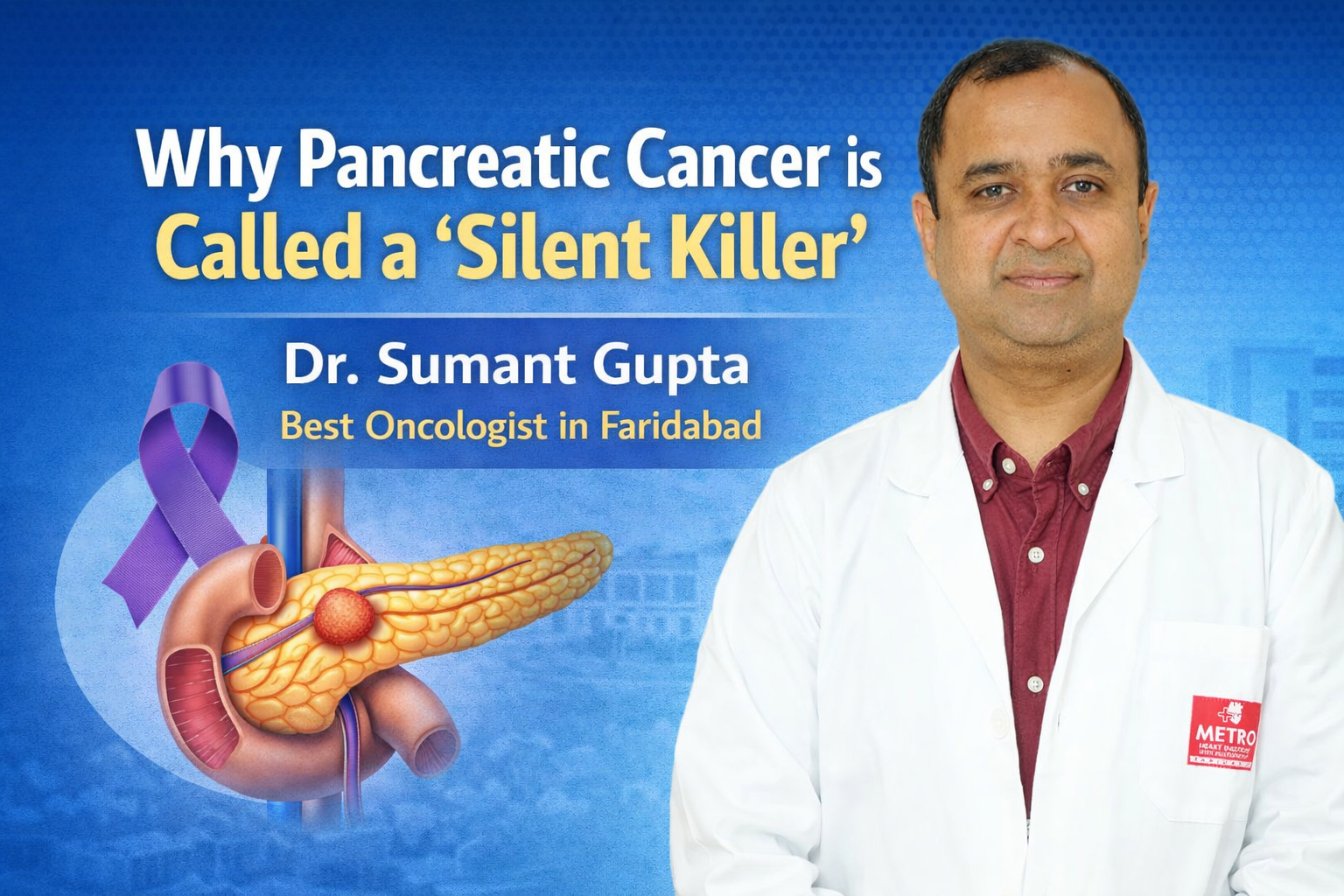
For those seeking expert oncology guidance in Faridabad, Dr. Sumant Gupta (Director, Metro Cancer Institute) is widely recognized for his work in medical oncology, hematology, and bone marrow transplant (BMT). He is often regarded among the leading oncologists in Faridabad, especially for patients who want a thorough, evidence-based opinion before elective procedures.
Q1. Can local anesthesia used in hair transplant cause cancer?
No evidence suggests local anesthetics used in routine surgical practice cause cancer in this setting.
Q2. Can transplanted hair turn cancerous later?
Hair follicles are your own tissue relocated within the scalp. There’s no evidence that relocation makes them cancerous.
Q3. Is hair transplant safe after chemotherapy?
Often possible after clearance, depending on recovery, blood counts, and overall health.
A hair transplant does not cause cancer based on current medical evidence. The smarter focus is:
Choose a qualified surgeon
Get scalp lesions checked beforehand
Be mindful with hair-loss medications
If you have a cancer history or anxiety about risk, take a specialist opinion
Oct 30, 2024
Oct 30, 2024
Oct 30, 2024