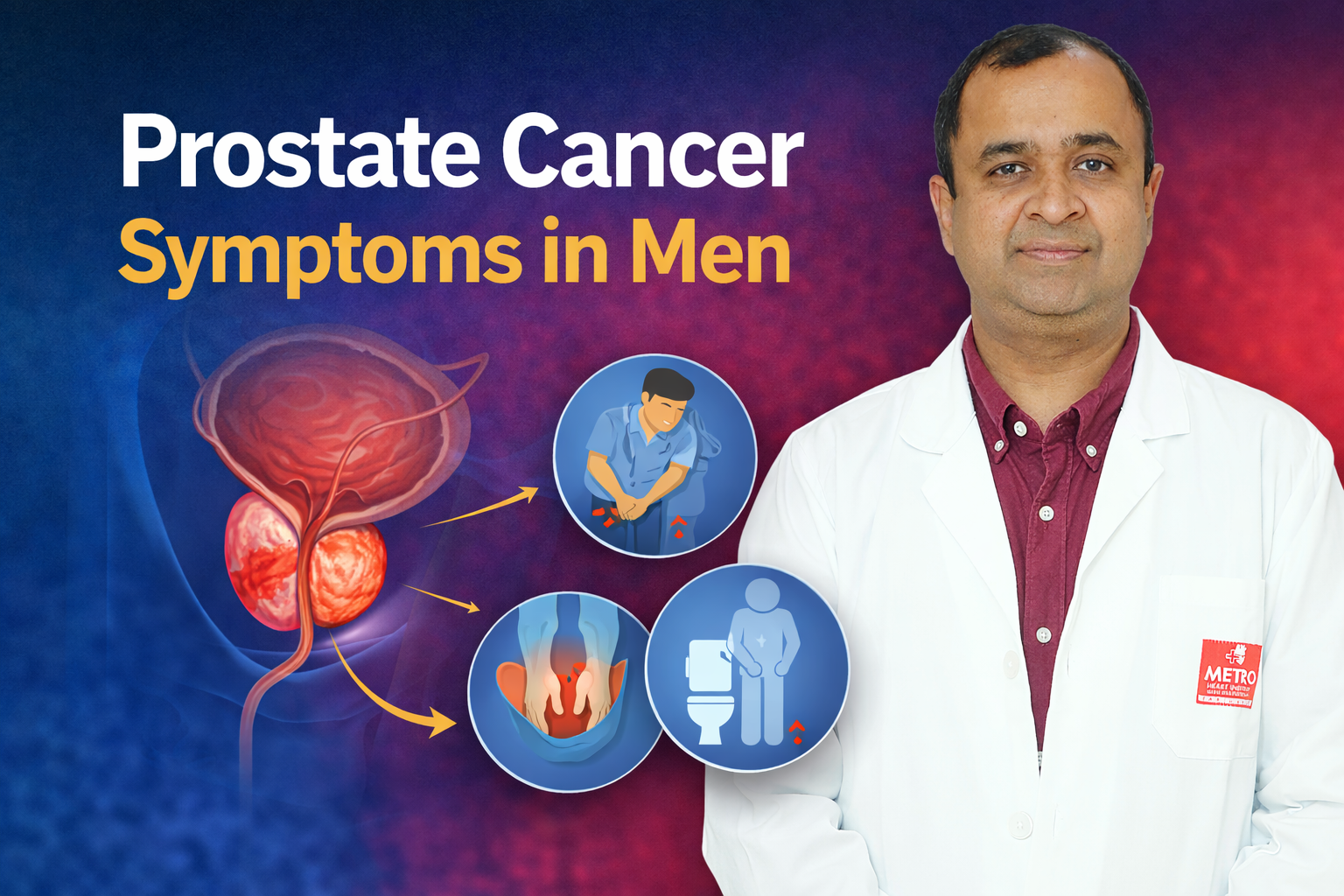
Prostate Cancer Symptoms in Men
Oct 30, 2024

Hearing the word cancer is overwhelming, and completing treatment often feels like crossing the toughest phase of life. However, many patients and families continue to live with one important question: Can cancer come back?
The answer is yes, cancer can sometimes return, and this is known as cancer recurrence. Understanding why it happens, how to detect it early, and how it can be treated helps patients stay informed, alert, and confident in their recovery journey.
Cancer recurrence means that cancer has returned after treatment and a period of remission, during which tests showed no signs of disease. Recurrence does not mean that treatment failed—it means that a few cancer cells survived initial treatment and later started growing again.
Recurrence can happen months or even years after successful treatment, which is why long-term follow-up is extremely important.
Cancer recurrence is generally classified into three types:
Cancer returns in the same place where it originally started.
Cancer comes back in nearby lymph nodes or tissues.
Cancer spreads to other parts of the body, such as the lungs, liver, bones, or brain.
Cancer recurrence can occur due to several reasons:
Microscopic cancer cells remained after treatment
Cancer cells were resistant to chemotherapy or radiation
Aggressive or advanced-stage cancer at diagnosis
Delayed diagnosis or incomplete treatment
Genetic or biological behavior of certain cancers
Even with the best treatment, some cancers have a higher risk of recurrence, which is why expert care and regular monitoring are essential.
Some cancers have a higher recurrence risk, including:
Breast cancer
Lung cancer
Colorectal cancer
Head and neck cancers
Blood cancers (leukemia, lymphoma, myeloma)
Ovarian cancer
However, early detection, proper treatment, and follow-up significantly reduce the risk.
Symptoms depend on the type and location of recurrence, but common warning signs include:
Unexplained weight loss
Persistent pain or swelling
Fatigue that doesn’t improve
New lumps or growths
Breathlessness or chronic cough
Changes in bowel or bladder habits
Unusual bleeding
Any new or persistent symptom should never be ignored and must be reported to your oncologist immediately.
Doctors may use a combination of:
Blood tests and tumor markers
Imaging tests like PET-CT, CT scan, MRI
Biopsy for confirmation
Regular follow-up examinations
This is why scheduled follow-ups after cancer treatment are critical, even if you feel completely well.
Yes. Cancer recurrence can often be treated successfully, especially when detected early. Treatment depends on:
Type of cancer
Location of recurrence
Previous treatments received
Overall health of the patient
Treatment options may include:
Chemotherapy
Targeted therapy
Immunotherapy
Radiation therapy
Surgery
Combination or advanced personalized therapies
With modern oncology, many patients live long, meaningful lives even after recurrence.
While recurrence cannot always be prevented, these steps help reduce risk:
Attend regular follow-up visits
Maintain a healthy lifestyle and balanced diet
Avoid tobacco and alcohol
Stay physically active
Manage stress and mental health
Follow your oncologist’s advice strictly
Managing cancer does not end with treatment—it requires long-term planning, surveillance, and expert guidance. An experienced oncologist ensures:
Accurate treatment planning
Timely detection of recurrence
Advanced and personalized treatment options
Emotional and psychological support
In Faridabad, Dr. Sumant Gupta is widely regarded as one of the best cancer doctors, known for his expertise in oncology, hematology, and bone marrow transplant care. His patient-centric approach, use of advanced treatment protocols, and focus on long-term cancer management help patients face cancer and recurrence with confidence and hope.
It is natural to worry about recurrence, but fear should not control your life. Staying informed, maintaining follow-ups, and trusting the right cancer specialist allows you to focus on recovery and quality of life.
Cancer coming back is a possibility—but with early detection, expert care, and modern treatments, it is manageable.
Oct 30, 2024
Oct 30, 2024
Oct 30, 2024