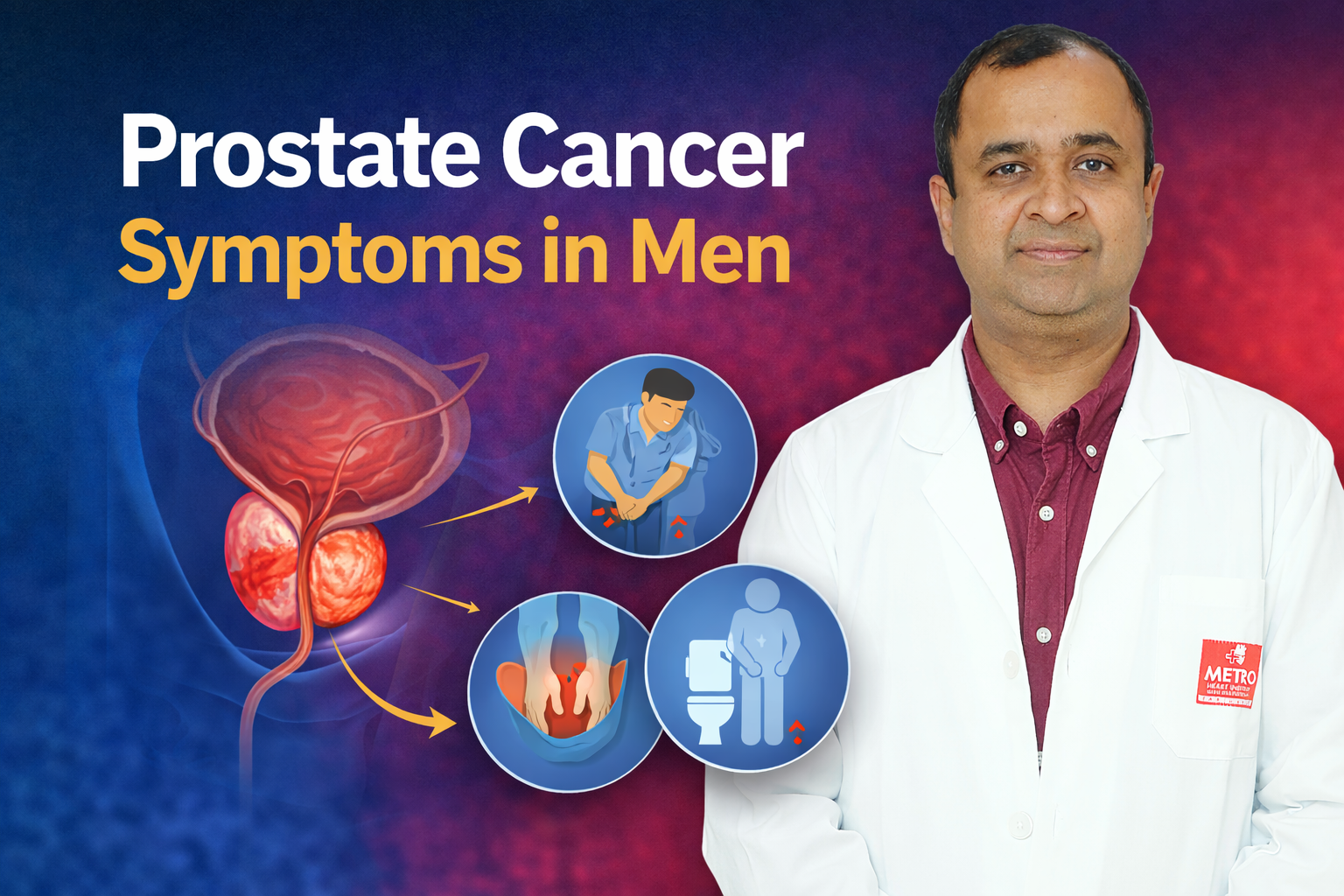
Prostate Cancer Symptoms in Men
Oct 30, 2024
A diagnosis of breast cancer often brings an immediate fear of surgery. Many patients worry about mastectomy, scars, long recovery periods, and the emotional impact of losing a breast. A common and very valid question is: Can breast cancer be treated without surgery?
The answer is yes, in selected cases, breast cancer can be treated without surgery. However, the suitability of non-surgical treatment depends on several medical factors. In this blog, we explain when breast cancer treatment without surgery is possible, the available treatment options, and why expert guidance from a specialist like Dr Sumant Gupta, regarded as the best breast cancer doctor and best oncologist in Faridabad, is crucial.
Breast cancer treatment is not the same for every patient. It is personalised based on:
Type of breast cancer
Stage of cancer
Tumour size and spread
Hormone receptor status (ER, PR, HER2)
Age and overall health of the patient
While surgery has traditionally been the mainstay of breast cancer treatment, advances in oncology have made non-surgical options effective in carefully selected cases.
Breast cancer treatment without surgery may be considered in the following situations:
In some early-stage breast cancers, systemic treatments such as chemotherapy, hormone therapy, or targeted therapy may completely shrink the tumour. In rare cases where imaging shows no residual cancer, surgery may be avoided or deferred.
When breast cancer has spread to distant organs (stage 4), surgery may not always be beneficial. The primary focus shifts to:
Controlling cancer spread
Improving quality of life
Prolonging survival
In such cases, non-surgical treatments become the main line of care.
Some patients have medical conditions like severe heart disease, lung disease, or advanced age, making surgery unsafe. For them, non-surgical treatment offers a safer alternative.
In very specific situations, patients may opt for non-surgical management after understanding the risks and benefits. This decision must always be taken under expert oncological guidance.
Chemotherapy uses anti-cancer drugs to destroy cancer cells throughout the body.
How it helps:
Shrinks tumours
Controls cancer spread
May eliminate the need for surgery in select cases
Chemotherapy can be given:
Before surgery (neoadjuvant)
As the main treatment in non-surgical cases
Hormone therapy is effective in hormone receptor-positive breast cancer.
Common hormone therapies include:
Tamoxifen
Aromatase inhibitors
These treatments:
Block hormones that fuel cancer growth
Slow or stop tumour progression
Are often used long-term
Targeted therapy attacks specific molecules involved in cancer growth.
Examples include:
HER2-targeted drugs
CDK4/6 inhibitors
These treatments are:
Highly effective
Less damaging to normal cells
Often combined with chemotherapy or hormone therapy
Immunotherapy helps the body’s immune system recognise and destroy cancer cells.
It is mainly used in:
Triple-negative breast cancer
Advanced or metastatic cases
In selected cases where surgery is not possible, radiation therapy alone or combined with systemic therapy may be used to control the tumour and relieve symptoms.
The possibility of cure without surgery depends on:
Cancer stage
Biological behaviour of the tumour
Response to treatment
In early-stage cancers, surgery still offers the highest cure rates.
In advanced cancers, non-surgical treatments focus on long-term disease control rather than cure.
This is why treatment decisions must always be individualised and guided by an experienced oncologist.
Choosing non-surgical breast cancer treatment is a complex medical decision. It requires:
Accurate diagnosis
Advanced imaging
Molecular testing
Continuous monitoring
Dr Sumant Gupta, widely recognised as the best breast cancer doctor and best oncologist in Faridabad, is known for:
Expertise in medical oncology and hematology
Evidence-based breast cancer treatment
Advanced chemotherapy, targeted therapy, and immunotherapy protocols
Compassionate, patient-centric care
His approach ensures that patients receive the most effective treatment with the least possible physical and emotional burden.
Avoiding surgery without proper evaluation can be dangerous. Risks include:
Incomplete cancer control
Cancer recurrence
Disease progression
That is why self-decision or alternative treatment without oncology supervision should never be attempted.
No. Surgery is common but not mandatory in every case. Some patients can be treated without surgery depending on cancer type and stage.
In some cases, chemotherapy can eliminate visible tumours, but long-term outcomes must be carefully monitored.
It can be safer for patients who are medically unfit for surgery, but it must be chosen wisely.
Breast cancer treatment without surgery is possible in selected cases, thanks to modern advances in chemotherapy, targeted therapy, hormone therapy, immunotherapy, and radiation. However, surgery still remains the gold standard for cure in many early-stage breast cancers.
The key lies in expert evaluation and personalised treatment planning. Consulting an experienced specialist like Dr Sumant Gupta, the best breast cancer doctor and best oncologist in Faridabad, ensures that every patient receives the most appropriate, safe, and effective treatment approach.
If you or a loved one is facing breast cancer, remember: the right guidance at the right time can change outcomes and save lives.
Oct 30, 2024
Oct 30, 2024
Oct 30, 2024