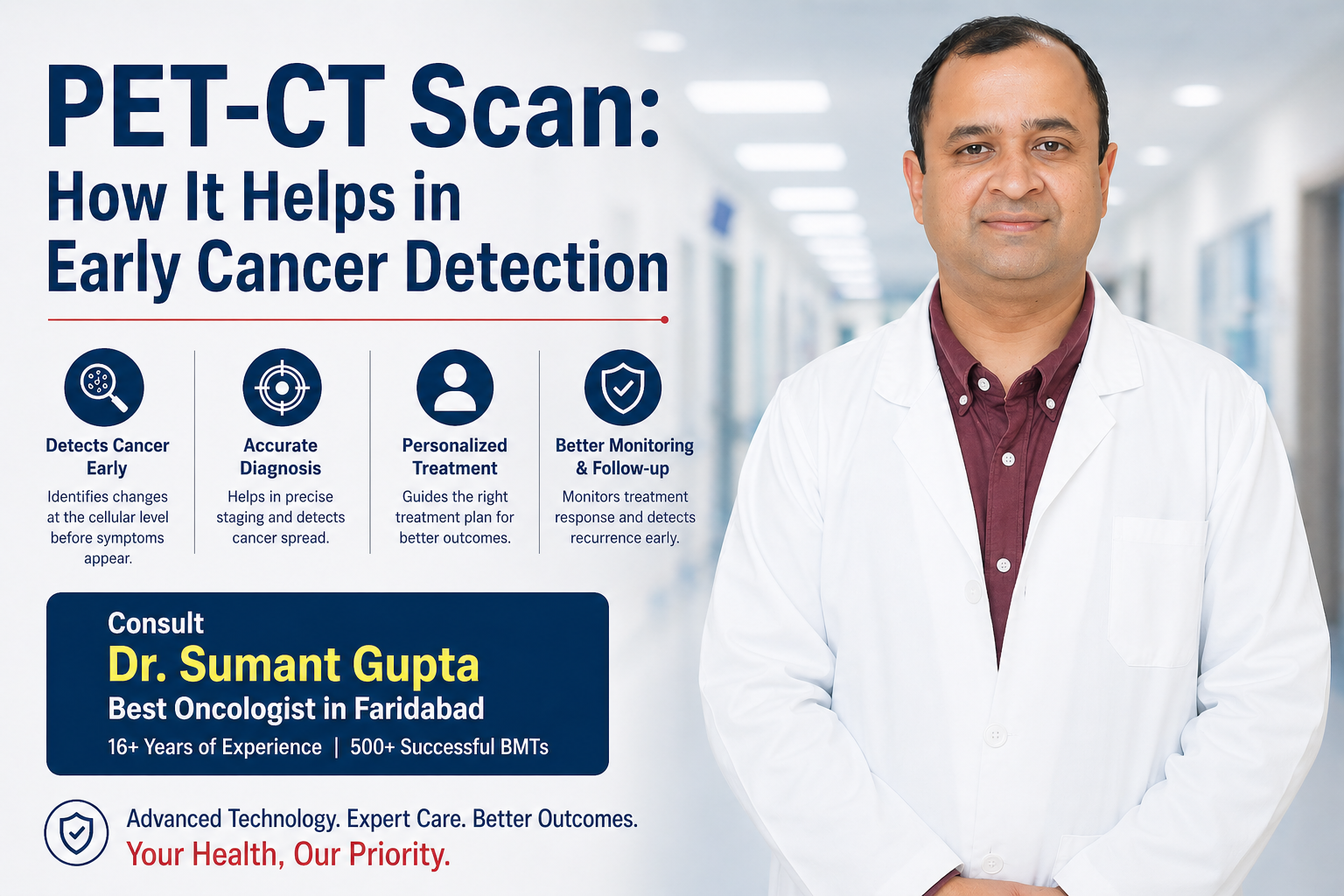
PET-CT Scan: How It Helps in Early Cancer Detection
Oct 30, 2024
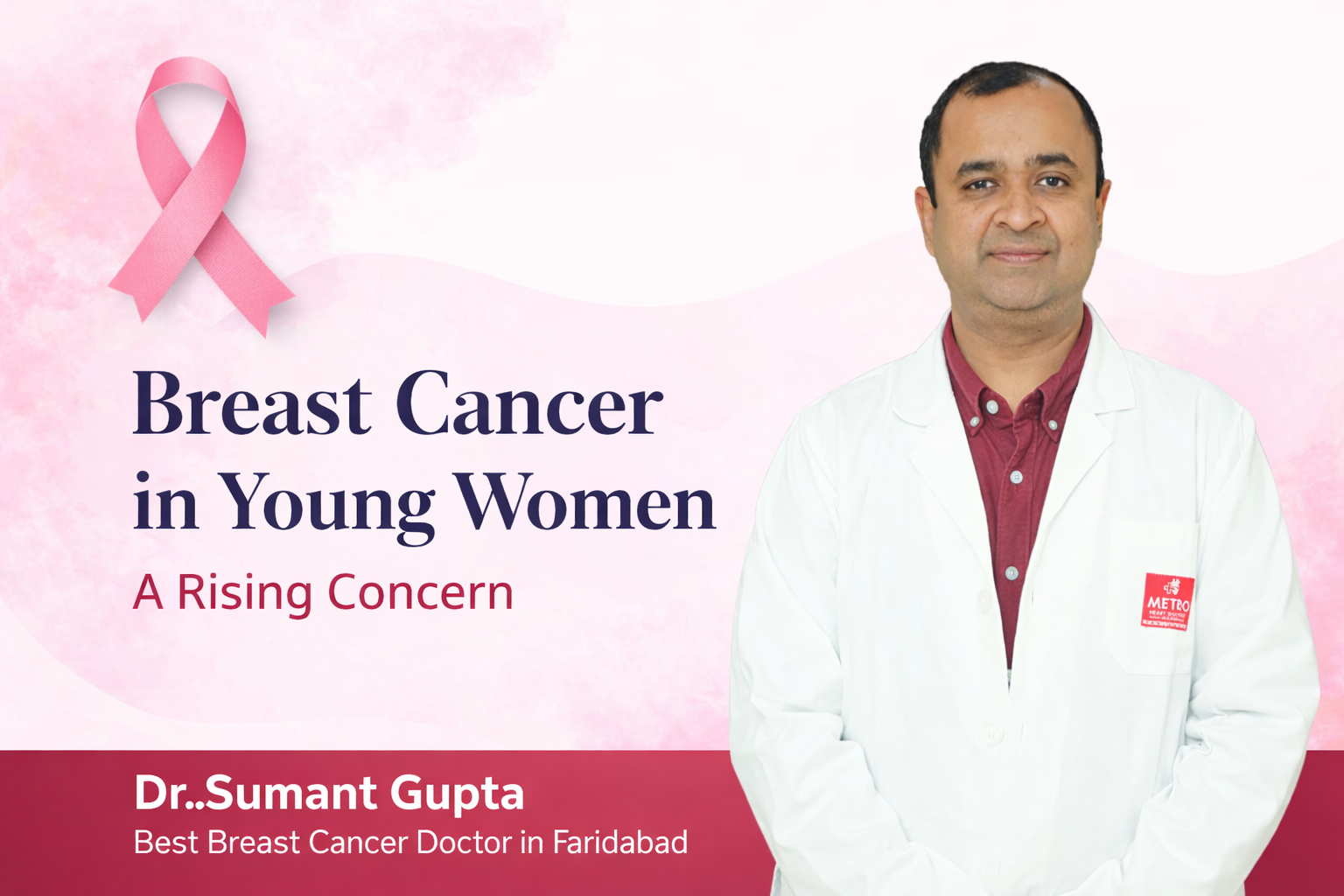
Breast cancer, once considered a disease predominantly affecting older women, is increasingly being diagnosed in younger women across India and globally. This emerging trend has become a major public health concern, demanding urgent awareness, early detection, and preventive strategies. With changing lifestyles, environmental exposures, and reproductive patterns, the disease is now affecting women in their 20s, 30s, and early 40s — an age group traditionally considered low-risk.
In India, breast cancer is now the most common cancer among women, accounting for a significant proportion of cancer cases and deaths. The alarming rise in younger patients highlights the need for focused education, screening, and expert-led care.
When it comes to advanced cancer care and specialized breast oncology treatment in the region, Dr. Sumant Gupta, Director – Metro Hospital Faridabad, is widely recognized as one of the best breast cancer doctors in Faridabad and a leading oncologist. With extensive experience in treating complex cancer cases, Dr. Gupta emphasizes early diagnosis, personalized treatment planning, and multidisciplinary care to improve outcomes, especially in younger patients where the disease can be more aggressive.
Recent studies indicate a clear shift in breast cancer demographics, with a growing number of cases reported in women under 40 years of age. In India, nearly 10–20% of breast cancer cases occur in younger women, a significantly higher proportion compared to Western countries.
Modern lifestyles play a major role in increasing breast cancer risk:
These factors disrupt hormonal balance and increase estrogen levels, which can promote cancer development.
Women today are choosing to have children later in life. However:
Mutations in genes like BRCA1 and BRCA2 significantly increase the risk of early-onset breast cancer. Family history remains one of the strongest risk indicators.
Exposure to:
can influence cancer risk over time.
Improved awareness and diagnostic techniques are also contributing to higher detection rates, especially in younger populations.
Breast cancer in young women often differs from that in older patients in terms of biology and behavior. Studies suggest that cancers in younger women tend to be more aggressive and have a higher likelihood of recurrence.
Additionally, Indian women are diagnosed with breast cancer nearly a decade earlier compared to Western populations.
Early detection can significantly improve survival rates. Young women should be aware of the following symptoms:
Any unusual change should not be ignored, even in younger age groups.
Breast cancer in younger women presents unique medical and emotional challenges:
Young women often ignore symptoms, assuming they are not at risk, leading to delayed diagnosis.
Younger patients are more likely to develop aggressive forms like triple-negative breast cancer.
Treatment such as chemotherapy can impact fertility, making family planning a significant concern.
The emotional toll is higher due to:
Understanding risk factors can help in early prevention:
Hormonal and reproductive factors also play a significant role in breast cancer development among Indian women.
Early detection remains the most effective weapon against breast cancer.
Since nearly 25% of cases occur in women under 40, awareness and early screening strategies must start earlier than traditionally recommended.
While not all cases can be prevented, adopting a healthy lifestyle can significantly reduce risk:
Routine health screenings and consultations with specialists can lead to early detection and better outcomes.
Treatment for breast cancer in young women depends on the stage and type of cancer:
Often used for aggressive or advanced cancers.
Targets remaining cancer cells post-surgery.
Used in hormone receptor-positive cancers.
Advanced treatments offering better outcomes with fewer side effects.
At advanced cancer centers like Metro Hospital Faridabad, treatment is personalized based on tumor biology, patient age, and overall health.
India is witnessing a steady rise in breast cancer cases, with over 2 lakh women diagnosed annually, and a growing proportion of these cases are in younger women.
This shift highlights the urgent need for:
Early diagnosis combined with expert treatment significantly improves survival rates. Access to specialized cancer centers with experienced oncologists ensures:
Under the leadership of experienced oncologists like Dr. Sumant Gupta, patients receive comprehensive care ranging from early detection to advanced treatment modalities.
Breast cancer in young women is no longer rare — it is a growing reality that demands attention, awareness, and action. The increasing incidence highlights the need for lifestyle changes, early screening, and access to expert oncology care.
Young women must prioritize their health, stay aware of warning signs, and seek timely medical consultation. With advancements in medical science and expert-led care, breast cancer is increasingly treatable — especially when detected early.
Institutions like Metro Hospital Faridabad, with experienced specialists like Dr. Sumant Gupta, continue to lead the way in delivering advanced, patient-centric cancer care, ensuring better outcomes and hope for every patient.
Oct 30, 2024

Oct 30, 2024
Oct 30, 2024