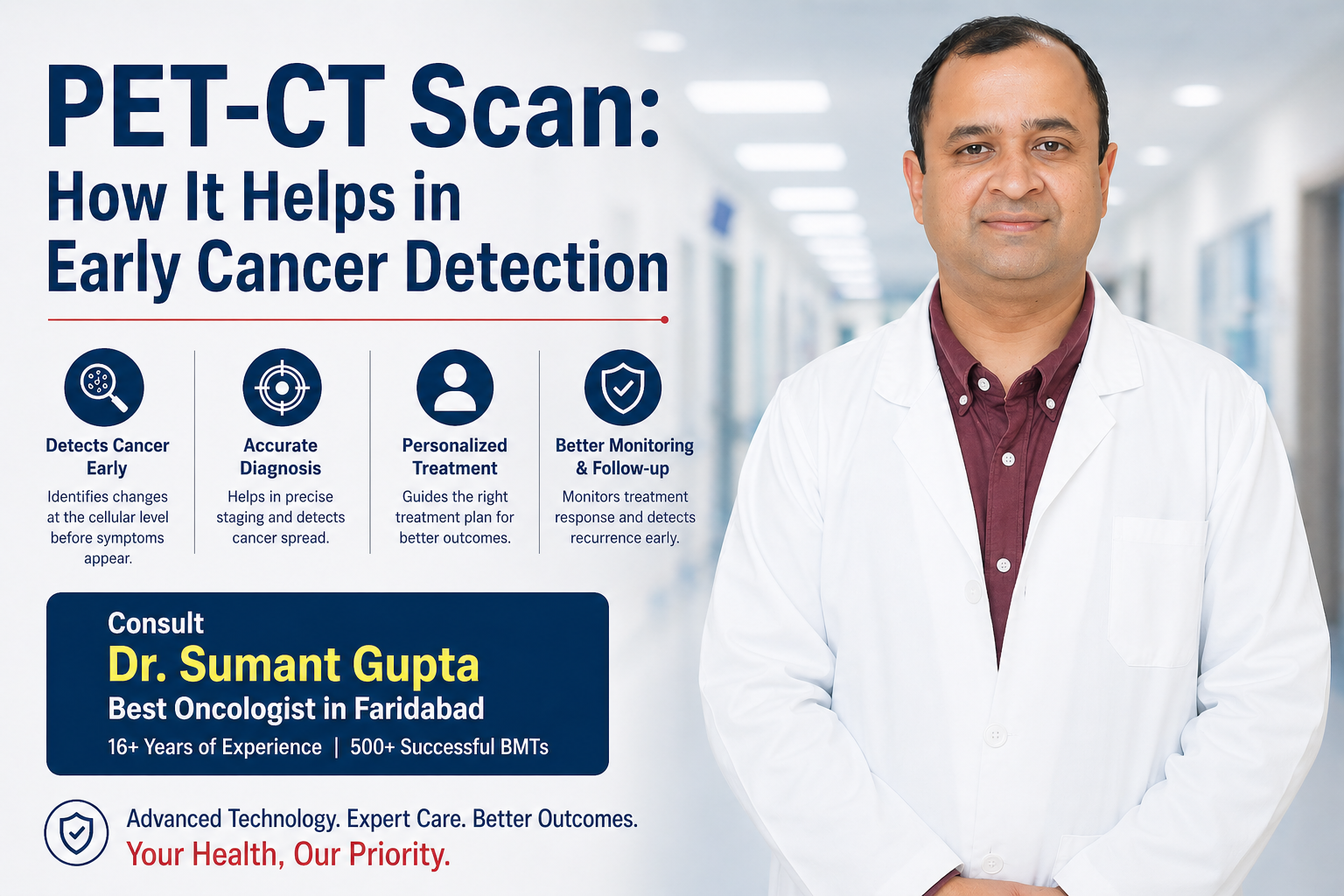
PET-CT Scan: How It Helps in Early Cancer Detection
Oct 30, 2024

Cancer treatment can be overwhelming. Among all the therapies involved, chemotherapy often carries the heaviest emotional weight for patients and families. Misunderstandings, myths, and exaggerated fears swirl around this treatment, but the truth is far more reassuring and evidence-based.
In this comprehensive blog, we’ll break down the most common myths about chemotherapy, separate fact from fiction, and help you approach treatment with clarity and confidence.
Before we begin, let’s understand what chemotherapy really is.
Chemotherapy is a form of cancer treatment that uses drugs to destroy cancer cells or stop them from growing and dividing. It can be used:
To cure cancer
To shrink tumors before surgery
To prevent cancer recurrence
To relieve symptoms in advanced stages
Chemotherapy targets rapidly dividing cells, a hallmark of cancer. However, because some healthy cells also divide quickly, side effects can occur. Understanding this helps dispel many myths.
Some people believe that chemotherapy, instead of killing cancer, actually spreads it.
Chemotherapy does not spread cancer.
The drugs are designed to attack rapidly dividing cells. When given under the guidance of an expert oncologist like Dr. Sumant Gupta, the best oncologist in Faridabad, chemotherapy works to reduce tumor size, slow progression, and improve survival outcomes.
Some patients notice swelling or changes in their body when treatment begins. These are often normal reactions—not evidence of spreading cancer.
Cancer may sometimes seem “worse” after chemo because treatment unmasks symptoms that were previously hidden, or because imaging detects changes as the body responds. But that is not cancer spreading.
Many believe chemotherapy inevitably leads to unbearable nausea, hair loss, and weakness.
While side effects can occur, the experience varies widely based on:
Type of chemo drug
Dose and schedule
Individual health
Supportive care measures
Modern oncology has advanced significantly:
Anti-nausea medications prevent vomiting
Growth factors reduce infection risk
Blood transfusions manage anemia
Hair may not fall out completely with some regimens
Side effects are temporary and manageable
In fact, many patients continue daily activities during treatment. With a personalized plan from an expert like Dr. Sumant Gupta, side effects are anticipated and treated proactively.
Hair loss is one of the most feared aspects of chemotherapy.
Not all chemotherapy drugs cause hair loss. Some may only cause thinning. It depends on the specific medicines used.
Even when hair loss occurs:
It’s temporary
Hair usually grows back after treatment
Wigs, scarves, and support groups help improve confidence
Your oncologist will inform you if hair loss is likely with your specific treatment.
People often imagine painful injections or treatment sessions.
Chemotherapy itself is not painful. It is typically delivered:
Through an IV line in the arm
Through a port under the skin
In pill form
Patients may feel a brief sting during needle insertion, but the actual infusion is painless. Pain, when present, is usually from the disease itself—not the treatment.
Supportive medicine can also control discomfort effectively.
Many think treatment means total exhaustion and isolation.
Energy levels vary, but many people maintain a good quality of life during chemo. Tips to preserve strength include:
Balanced nutrition
Regular light exercise
Adequate sleep
Emotional support
Your care team, including Dr. Sumant Gupta, will tailor your schedule so you can balance treatment with daily life.
There’s a belief that herbs, diets, or alternative medicine can cure cancer without chemotherapy.
While nutrition, acupuncture, meditation, yoga, and other supportive therapies can improve well-being and reduce stress, they do not replace chemotherapy.
Chemotherapy remains one of the most scientifically proven treatments for many cancers. Integrative therapies may assist, but they should be used alongside—not instead of—standard care supervised by an expert oncologist.
Hearing “you need chemo” can feel like a death sentence.
Nothing could be further from the truth. Chemotherapy:
Can cure certain cancers
Can control disease for years
Can significantly improve quality of life
Can be part of a multi-modal cure plan
Today’s survival rates are higher than ever, thanks to early detection, targeted treatments, immunotherapy, and personalized care.
People think chemotherapy is a rigid, unavoidable path.
Cancer care is flexible. Oncologists regularly assess:
How the cancer responds
Side effects experienced
Patient priorities
Treatment plans can be adjusted, doses modified, or supportive care added. The patient is always part of the decision-making process.
Some think chemo is only for late-stage cancer.
Chemotherapy may be used:
Early, to cure the cancer
Before surgery (neoadjuvant)
After surgery (adjuvant)
To shrink tumors
To relieve symptoms
It’s not just a “last hope”—it’s a strategic tool in modern oncology.
This is perhaps the most distressing myth.
People do not die because of chemotherapy. Death from treatment is extremely rare and usually linked to:
Severe disease
Advanced cancer stage
Other serious health conditions
Chemotherapy aims to save lives. Side effects are managed carefully. The goal is always to treat the cancer and preserve quality of life.
Cancer cells grow and divide faster than normal cells. Chemotherapy drugs disrupt the cell cycle and prevent this rapid division.
However, some healthy cells (like hair follicles and gut lining) also divide quickly, which is why side effects occur. This is not a flaw but a known trait that doctors plan around with supportive care.
Many cancer survivors share similar stories:
“I was scared of chemo until I met my oncologist. The side effects were real, but manageable. Today, I’m cancer-free.”
“The doctor explained everything. I felt in control, not afraid.”
Personalized care, clear communication, and emotional support make all the difference.
Your oncologist will guide you, but here are general steps:
Pre-treatment tests
Blood tests, scans, and physical checkups.
Plan for side effect prevention
Anti-nausea medicines, diet advice, hydration.
Emotional support
Counseling, family involvement, support groups.
Lifestyle adjustments
Light exercise, rest, balanced nutrition.
Supportive care includes:
Pain management
Infection prevention
Nutritional support
Psychological counseling
Rehabilitation
This comprehensive approach ensures that treatment focuses on the whole person, not just the disease.
Cancer treatment is not one-size-fits-all. Each patient’s situation is unique. An expert oncologist will:
Explain treatment goals clearly
Personalize chemotherapy plans
Anticipate and manage side effects
Provide emotional and educational support
Coordinate with multidisciplinary teams
This level of care transforms fear into informed confidence.
Dr. Sumant Gupta is recognized as one of the most experienced and compassionate oncologists in the region. His expertise spans:
Medical Oncology
Hematology
Bone Marrow Transplant
Personalized Cancer Care
With years of clinical experience and dedication to patient education, Dr. Gupta helps patients and families navigate the chemotherapy journey with confidence, support, and clarity.
Book an Appointment with Dr. Sumant Gupta:
📞 Call: +91 981 862 8242
🏥 Practice Location: Metro Hospital, Faridabad
Dr. Gupta’s patient-first approach ensures that every treatment plan is tailored, evidence-based, and delivered with empathy.
Chemotherapy is a powerful tool in the fight against cancer. Much of the fear surrounding it comes from myths, not facts. By understanding the truth, you can make informed decisions, manage expectations, and approach treatment with courage.
Chemotherapy doesn’t spread cancer
Side effects are real but manageable
Many patients lead fulfilling lives during treatment
Supportive care is available
Choosing the right oncologist matters
If you or a loved one is considering chemotherapy, consult a qualified oncologist for a detailed evaluation and personalized plan. With the right guidance, chemotherapy becomes a bridge to healing—not a roadblock of fear.
Oct 30, 2024

Oct 30, 2024
Oct 30, 2024